
Rural Consortium Partners: A Coordinated Approach to Strengthening Rural Communities
A Network of Initiatives Working Together
The Consortium brings together multiple initiatives designed to strengthen different parts of rural infrastructure. Each initiative focuses on a specific area—but together, they form a coordinated system that supports long-term community development.
Each initiative addresses a different challenge—but real progress happens when they are aligned. Together, these efforts create a more connected and resilient community.
The System at a Glance
Energy Infrastructure: Expanding clean, reliable power systems
Workforce Development: Preparing residents for in-demand careers
Housing Access: Improving access to workforce housing and housing support services
Economic Development: Supporting local businesses and opportunity
Food Systems: Growing and distributing fresh produce to strengthen community food security
Healthcare Access : Providing community-based primary care and rehabilitative support
A coordinated system of community-focused initiatives
A long-term strategy for strengthening rural infrastructure
A way to address interconnected challenges more effectively
A model for aligned, community-based development
Not a single project or standalone program
Not a collection of unrelated initiatives
Not a short-term development effort
Not a top-down solution disconnected from local needs
Stronger Communities Require Coordinated Solutions
Rural communities face a range of interconnected challenges—from workforce gaps and housing availability to infrastructure limitations and access to essential services. These challenges are not isolated, and addressing them individually often lengthens the process to find solutions and limits long-term progress.
When solutions are aligned, communities are better positioned to strengthen infrastructure, expand opportunity, and support sustainable growth over time.


Why a Coordinated Approach Matters Now
Communities Are Facing Multiple Pressures at Once
Independent Efforts Can Only Go So Far
Alignment Creates Stronger Outcomes
Long-Term Stability Requires System-Level Thinking
How Coordinated Infrastructure Strengthens Our Community
More Stable Housing and Workforce Growth
Expanded Job Opportunities
Stronger Infrastructure Systems
Better Access to Essential Services
More Resilient Local Economies
Designed for Coordinated, Long-Term Impact

Responsible Development in Practice
Strategic Alignment Across Initiatives
Each initiative is designed to complement others—ensuring that investments work together to strengthen infrastructure, expand opportunity, and support long-term community outcomes.
Collaboration with Local Partners
The consortium works alongside community organizations, service providers, and local stakeholders to ensure initiatives are grounded in real needs and implemented effectively.
Informed, Data-Guided Planning
Decisions are guided by community insights, regional data, and ongoing evaluation to ensure resources are directed where they can have the greatest impact.
Coordinated Implementation
Efforts are intentionally connected across sectors—reducing duplication, improving efficiency, and ensuring initiatives reinforce one another over time.
Built for Long-Term Sustainability
The consortium focuses on lasting impact by strengthening systems, supporting local capacity, and ensuring initiatives remain effective as community needs evolve.
A Structured System Designed to Deliver Results
Identify Community Needs and Priorities
Align Initiatives Across Key Sectors
Implement Through Local Partnerships
Strengthen Systems Over Time
Active Initiatives Strengthening Our Community
AGRO
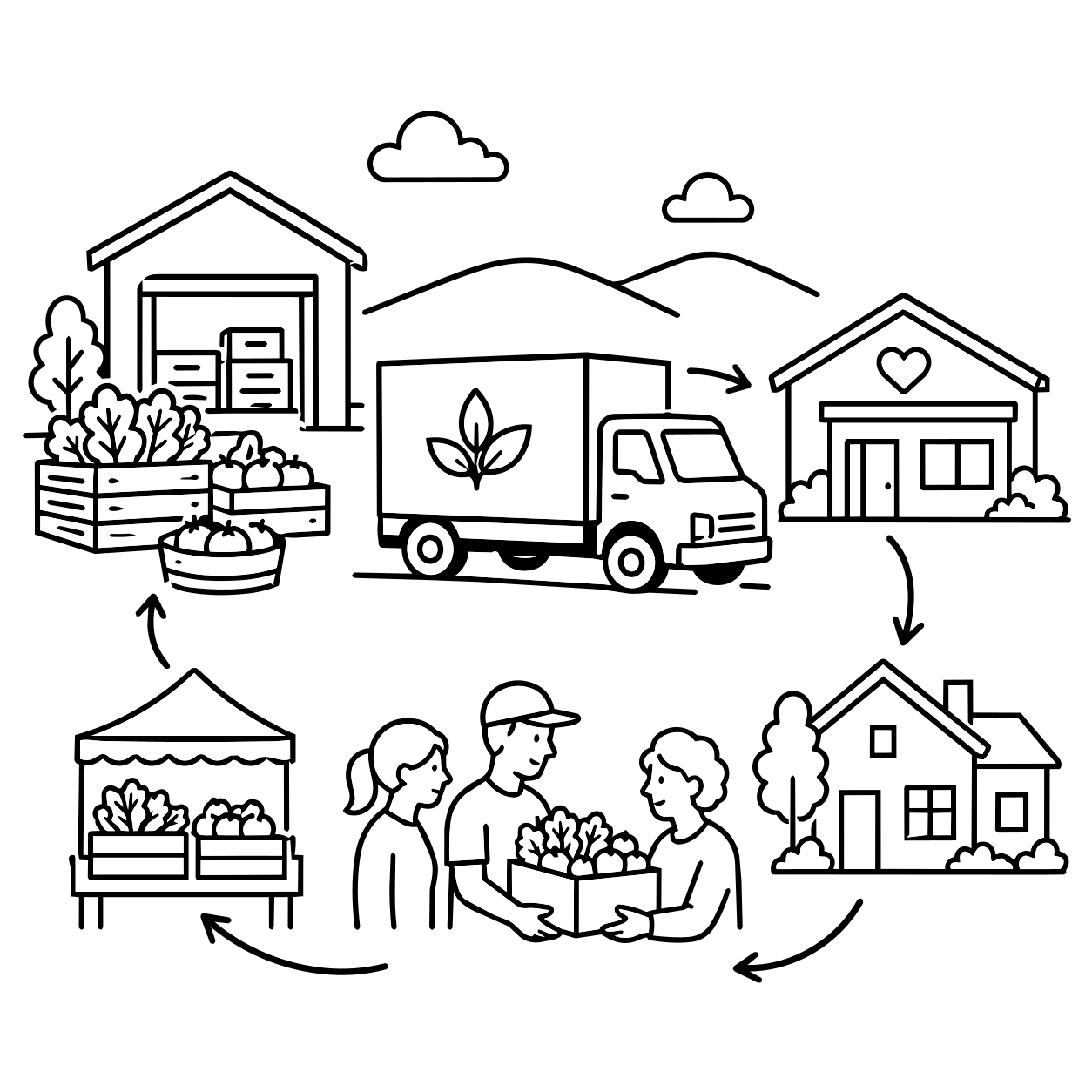
Focus Area: Food Systems
County: Regional
Description: Growing and distributing fresh produce to support local food pantries and strengthen community food access.

BBC
Focus Area: Land Stewardship
County: Washington
Description: Restoring a recreational trail systems to support community access and stewardship.
CORE
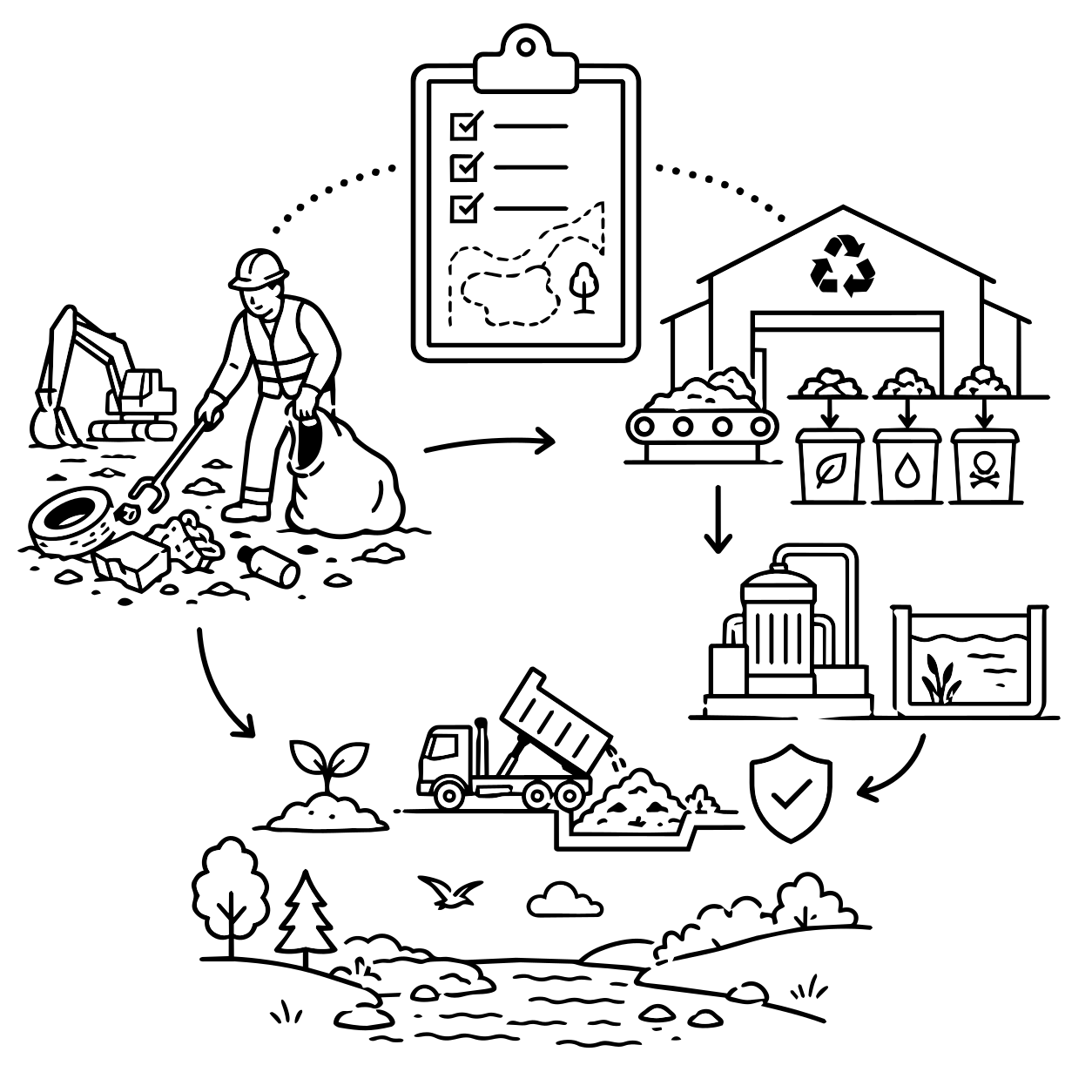
Focus Area: Waste Management
County: Washington
Description: Advancing solid waste solutions including recycling and land remediation to improve environmental health and long-term land use.
ECOT
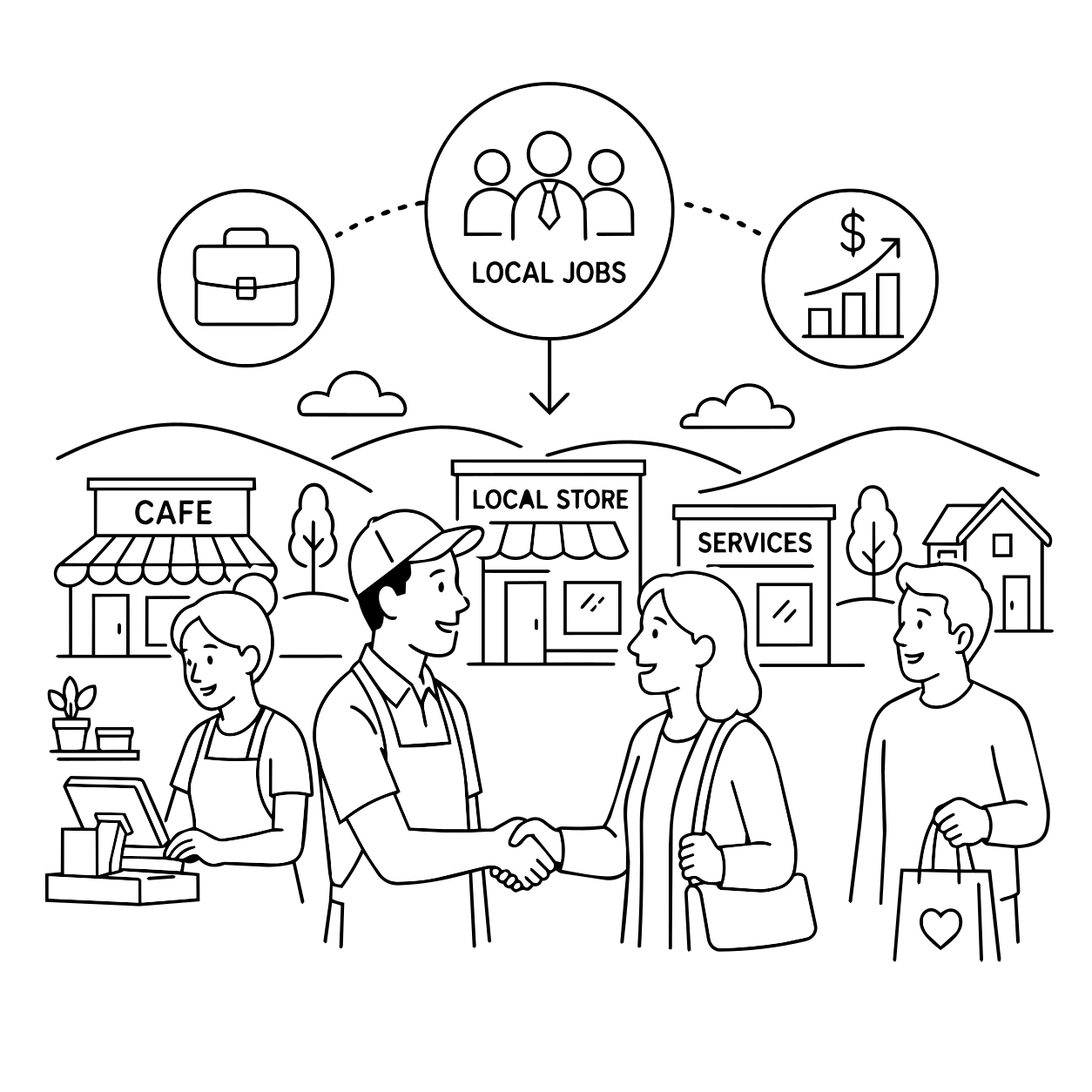
Focus Area: Economic Development
County: Regional
Description: Building a business directory to connect local businesses with resources, insights, and opportunities for growth.
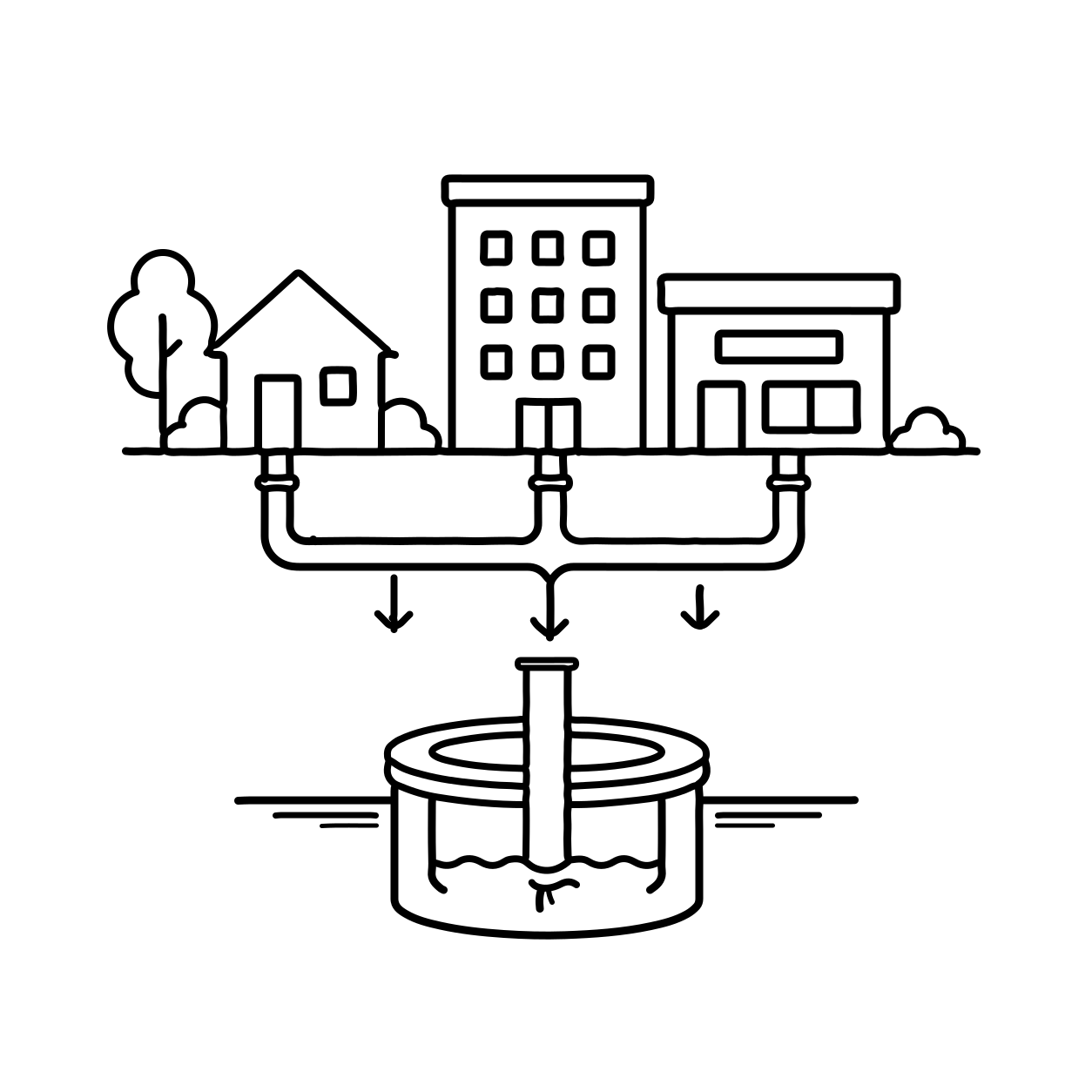
FLOW
Focus Area: Wastewater Systems
County: Washington
Description: Implementing a modern wastewater treatment system to improve environmental protection and support sustainable community growth.
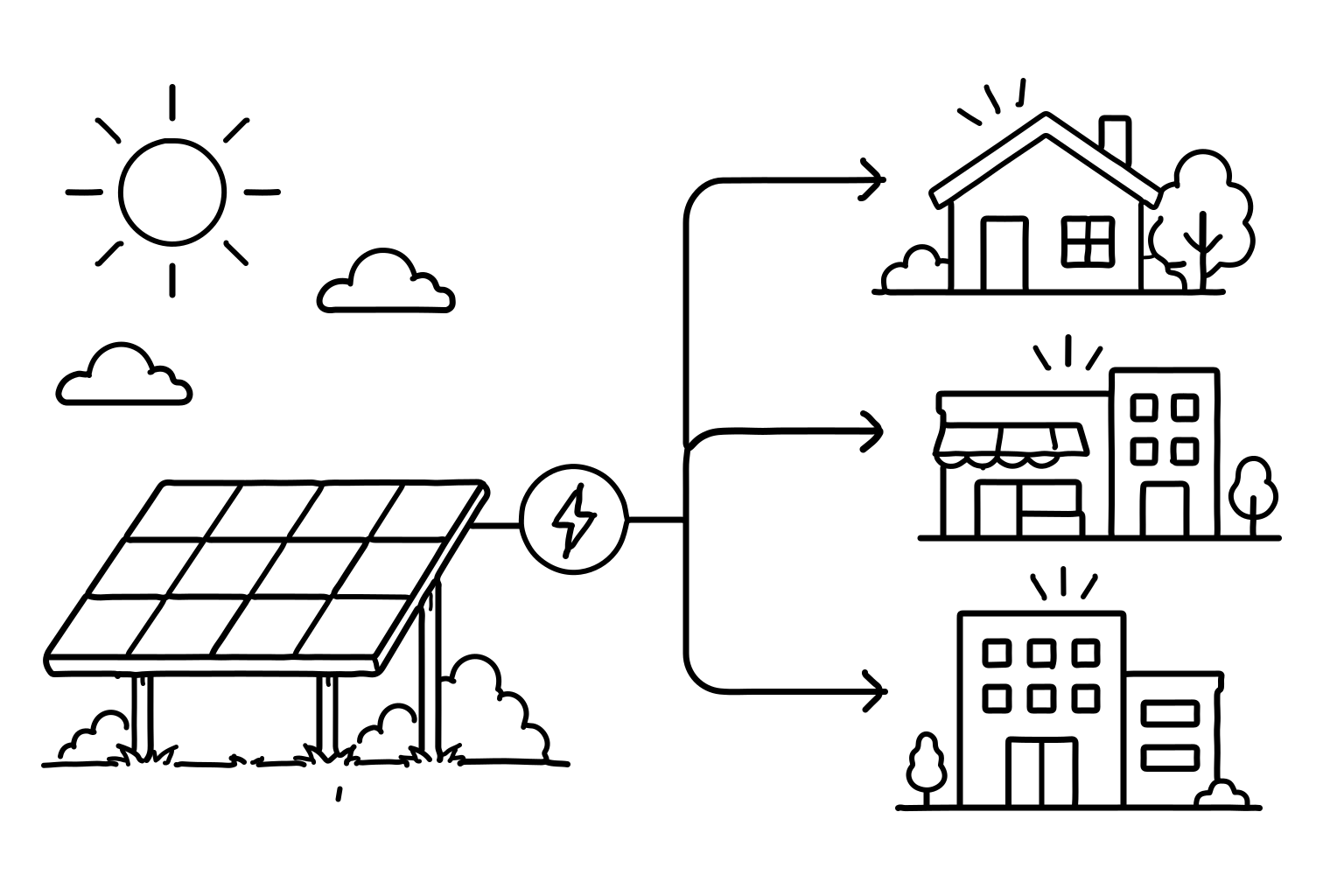
FORCE
Focus Area: Clean Energy
County: Washington
Description: Developing a solar microgrid to expand clean energy capacity and strengthen grid reliability across the region.

LINK
Focus Area: Workforce Training
County: Washington
Description: Building a career institute offering employer-aligned credential programs to prepare residents for in-demand careers.

NEED Home Builders
Focus Area: Workforce Housing
County: Washington
Description: Developing workforce housing to increase housing availability for residents across the region.

PATH
Focus Area: Community Health
County: Washington
Description: Expanding access to healthcare through primary care services, wellness programs, and short-term rehabilitation support.
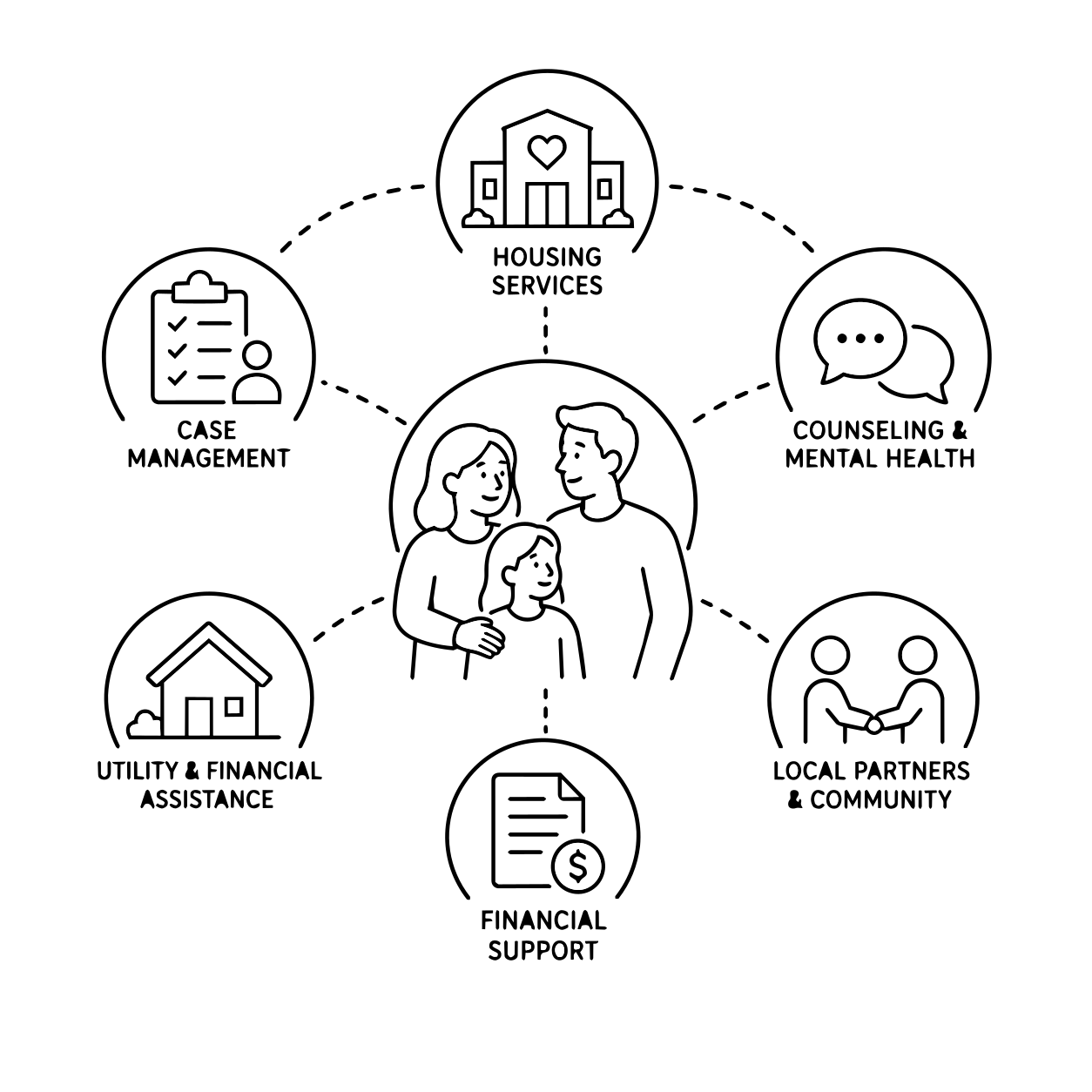
ROOF
Focus Area: Housing Support
County: Regional
Description: Connecting residents to services through a streamlined, accessible system designed to improve stability.
Add Your Name to the Community Support Registry
Show Your Support for Rural Development
Adding your name to the Community Support Registry helps demonstrate that residents value a coordinated approach to strengthening infrastructure, expanding opportunity, and building long-term community resilience.
Partner with the Rural Consortium Partners
We collaborate with technical consultants, municipalities, and nonprofit organizations to strengthen and expand our work. Connect with us to explore partnership opportunities and contribute to coordinated community development efforts.