

CORE: Protecting the Land and Water Our Community Depends On
Project Overview
The Council on Restoring Ecology (CORE) is a proactive environmental stewardship initiative designed to protect land, water, and public health in rural communities. By combining science-based monitoring, responsible material management, and land restoration, CORE creates practical, sustainable solutions that strengthen the community’s natural foundation.
Project at a Glance
Location: Regional (serving rural communities across New York)
Priority Initiative: Environmental assessment of key sites (soil, water, and land)
Core Focus: Identify potential risks and opportunities for safe intervention
Innovative Approach: Use natural, proven methods—including plant-based restoration—to improve soil quality over time
Target Restoration Projects: Support and advocate for safe cleanup of former industrial and institutional sites
Additional Services: Specialized residential material collection (e.g., hazardous waste, batteries, e-waste, agricultural plastics), along with composting and recycling programs
Proactive environmental stewardship
Community-based protection of land and water
Science-informed material management and land restoration
Not reactive clean-up after problems emerge
Not a regulatory enforcement agency
Not a short-term or isolated effort
Protecting Our Community’s Land, Water, and Health Matters Now
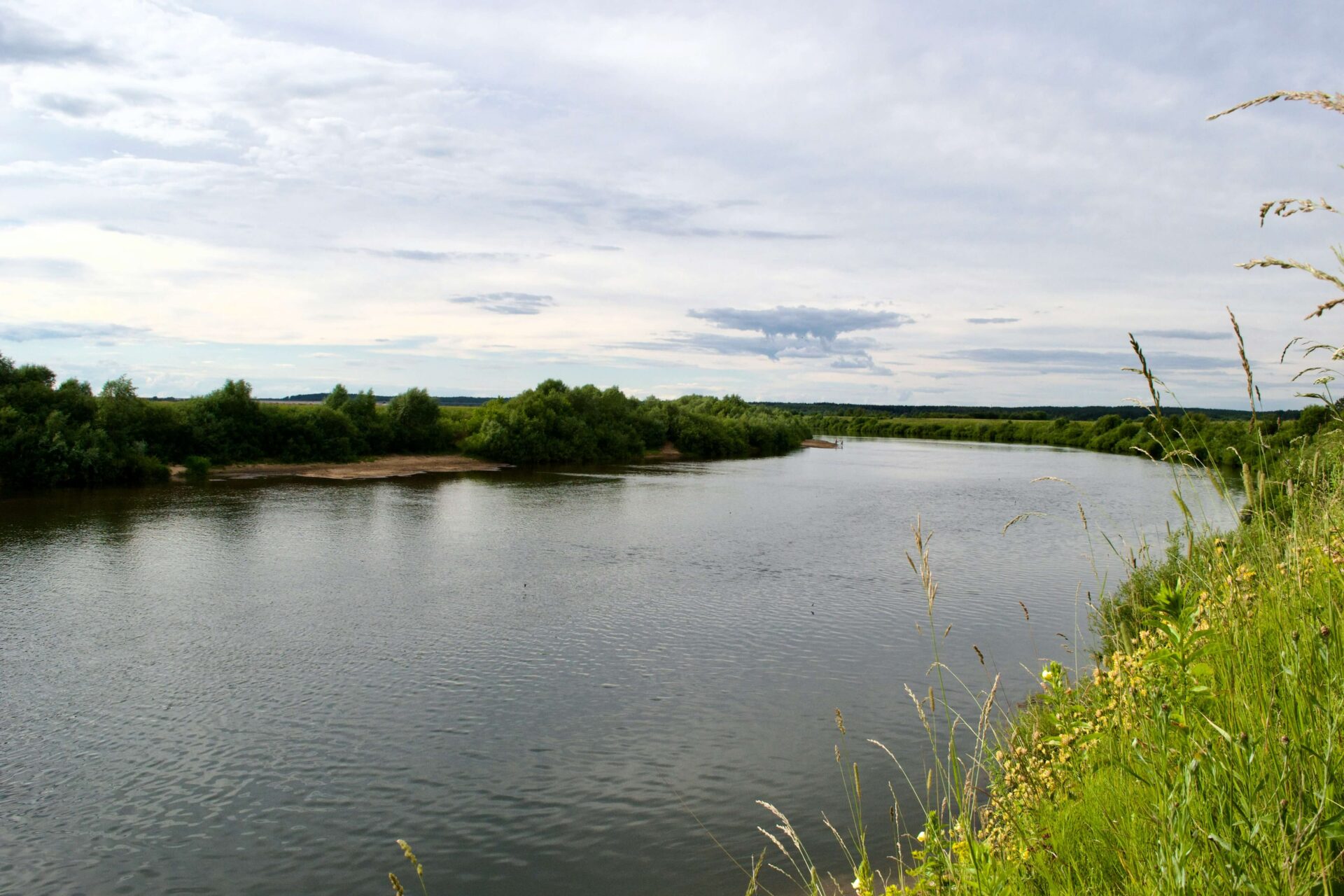
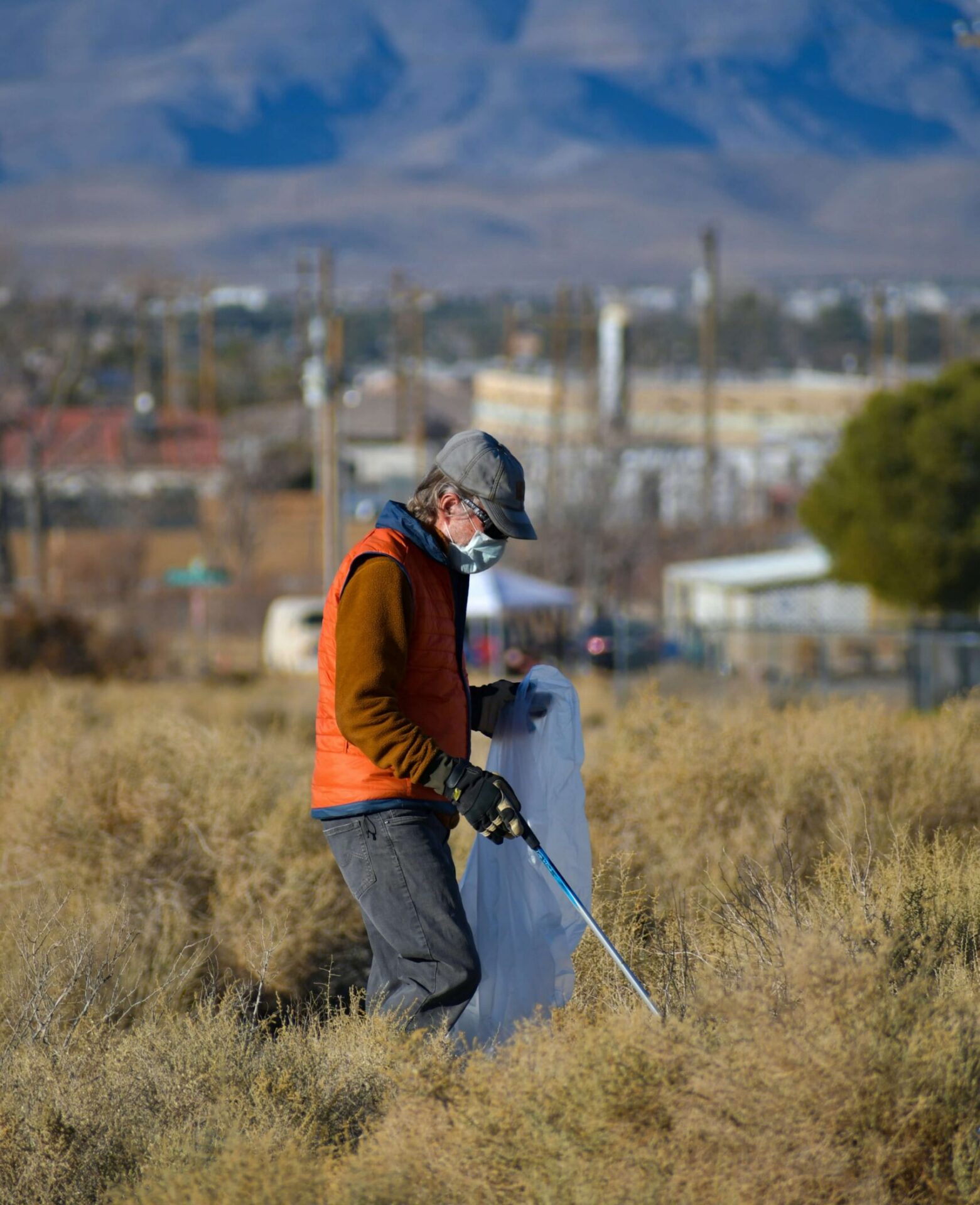
Rural communities rely on healthy soil, clean water, and safe land for daily life and long-term growth. Without proactive environmental stewardship, contamination risks, inefficient waste management, and degraded land can threaten public health, local ecosystems, and community stability. CORE addresses these challenges before they become critical, ensuring that the community can continue to thrive for generations.
Why Waste Management and Soil Remediation Matters Now
Environmental Risks
Land Degradation
Water Quality Threats
Fragmented Stewardship Efforts
Proactive Action Prevents Greater Risk
Coordinated Stewardship Builds Confidence
How CORE Protects Our Community’s Land, Water, and Health

Cleaner Land and Water

Safer Community Spaces

Data-Informed Decisions

Community Engagement & Partnership
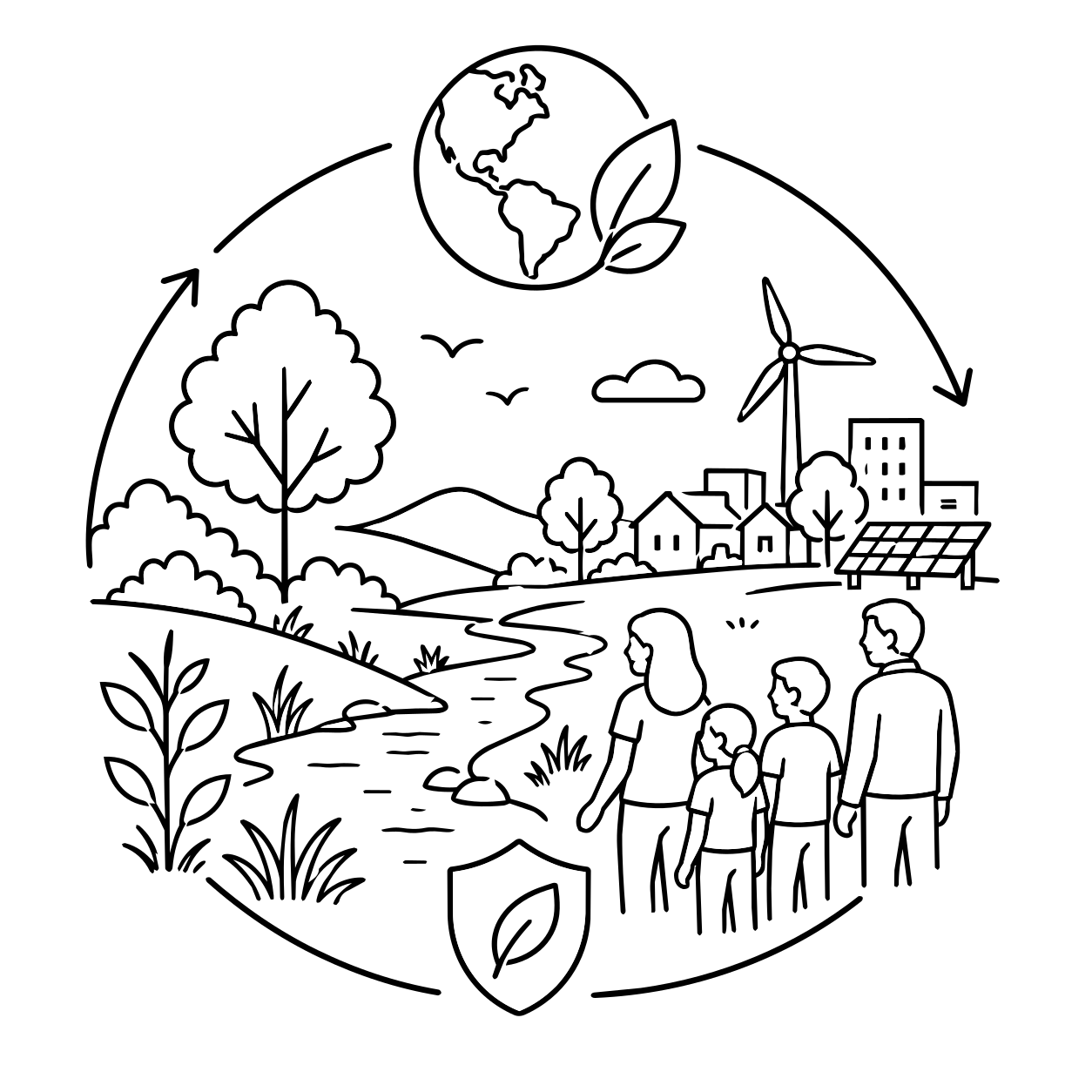
Long-Term Environmental Sustainability
A Responsible, Science-Based Approach to Environmental Stewardship

Responsible Stewardship in Practice
Science-Based Environmental Monitoring
Soil and water are regularly assessed using certified lab partnerships to ensure accurate understanding of environmental conditions.
Natural, Plant-Based Restoration Methods
CORE uses proven approaches such as phytoremediation—using plants to naturally improve soil quality over time in a safe and gradual way.
Responsible Material Management
Materials are handled, collected, and processed in ways that reduce long-term environmental impact and protect surrounding land and water.
Careful Assessment of Legacy Sites
Certain properties—such as former institutional sites—are evaluated thoughtfully to ensure they are properly understood and responsibly managed.
Full-Cycle Stewardship Approach
From assessment to restoration, CORE addresses environmental conditions through a complete, coordinated process that supports long-term soil health and land stewardship.
Practical Steps to Protect Land and Water
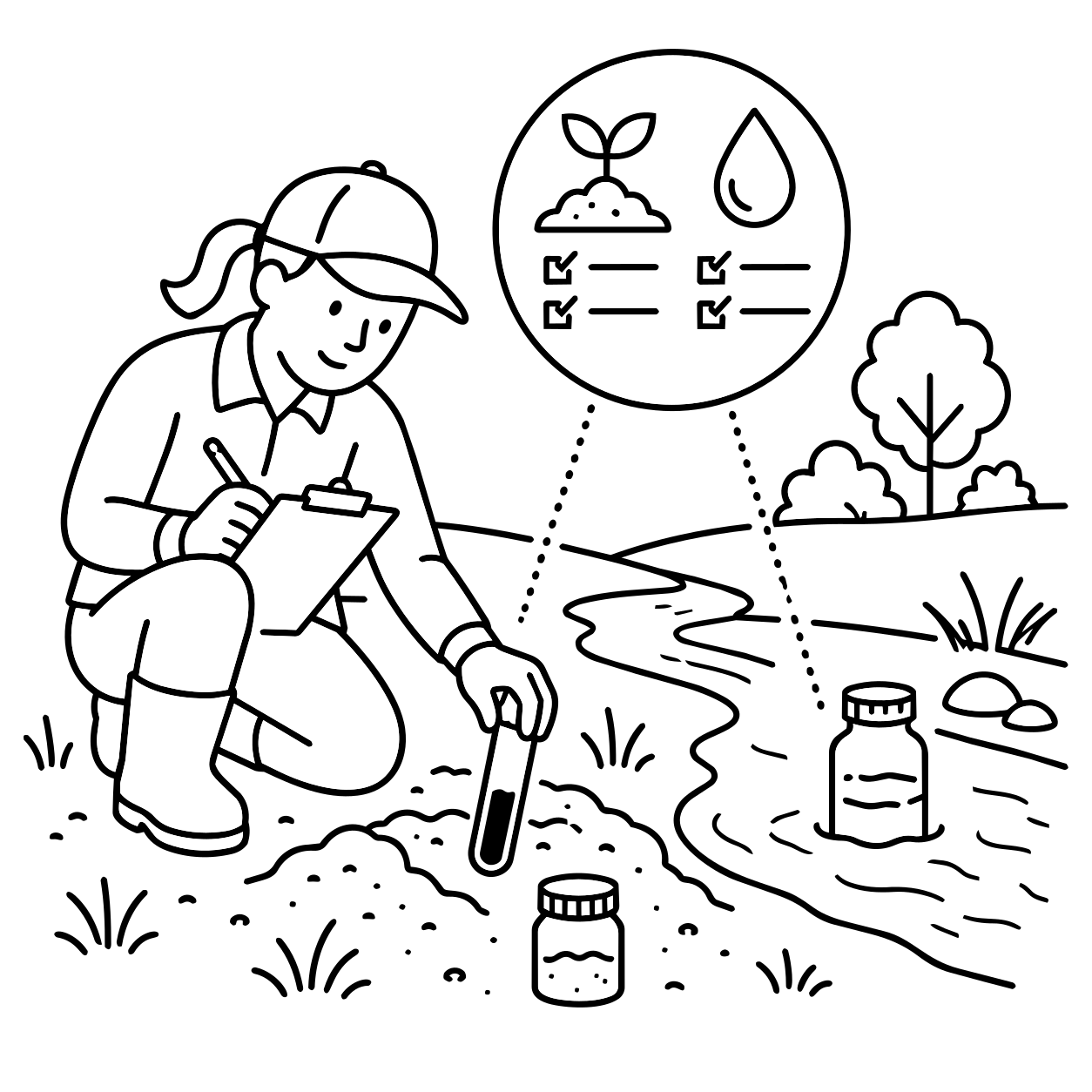
Assess Key Sites
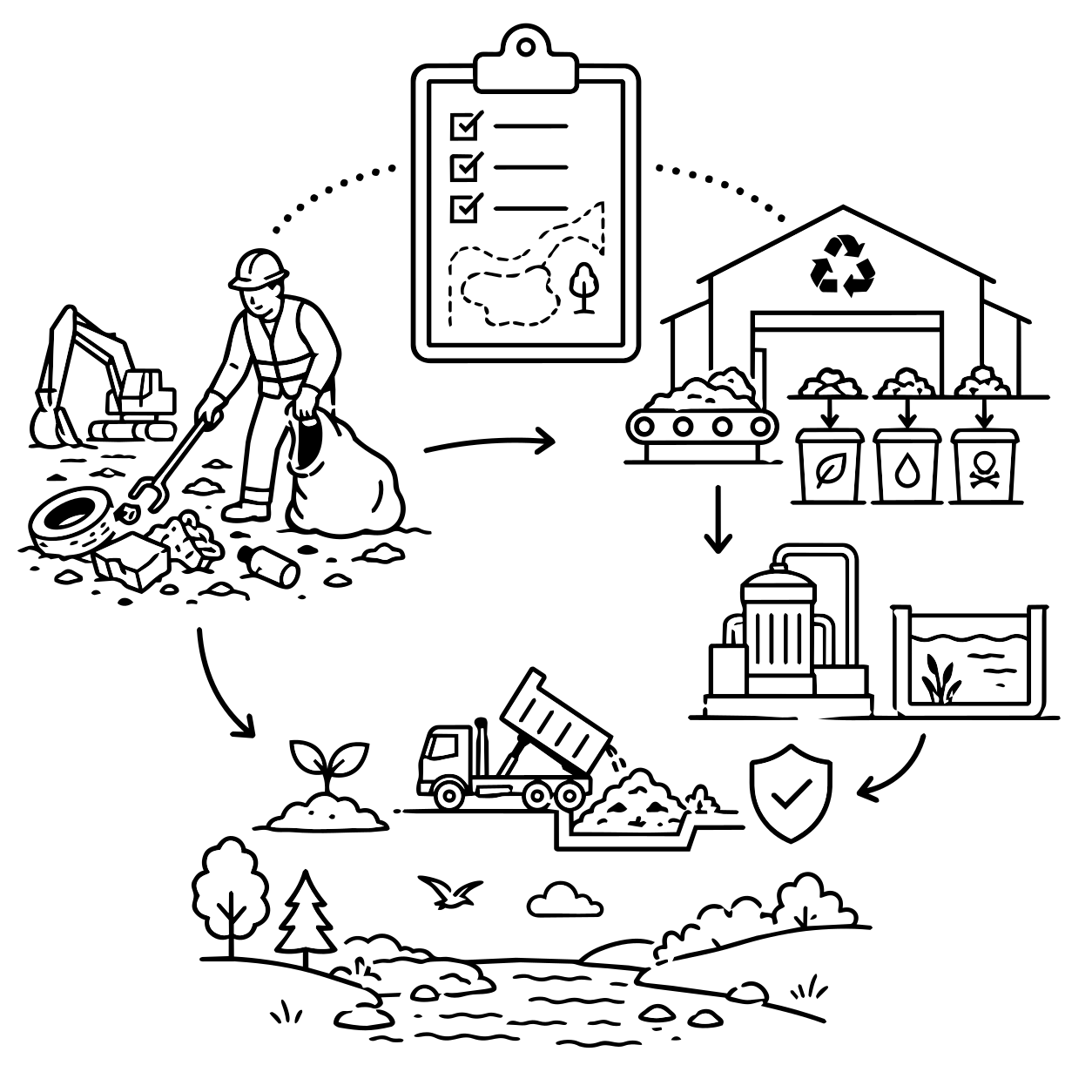
Plan Safe Interventions
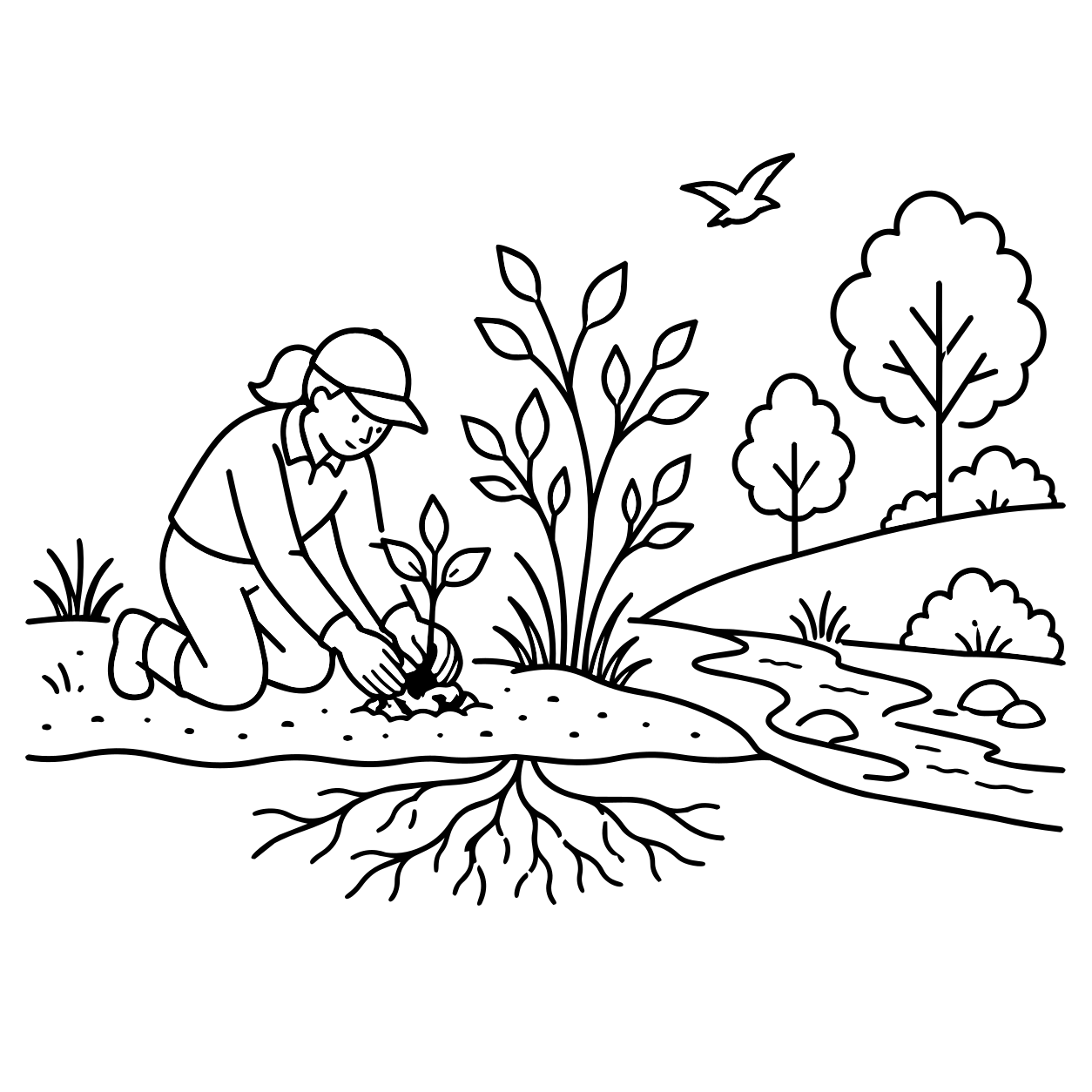
Restore and Improve the Land
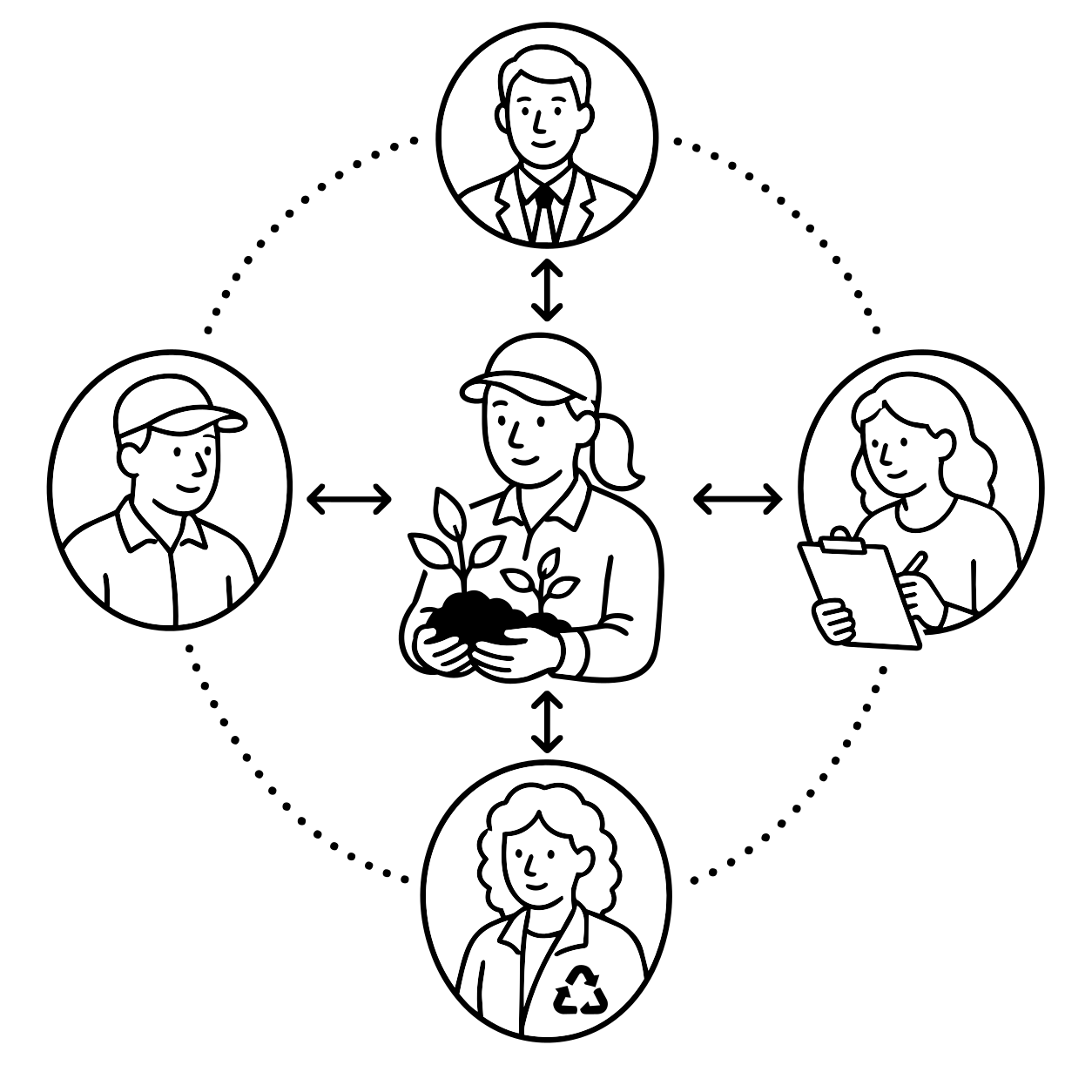
Coordinate with Local Partners
Identifying and Restoring Sites That Matter to Our Community
Project Phases
Phase 1—Assess Environmental Conditions at Key Sites
CORE conducts soil and water testing at select properties—including former industrial or institutional sites—to understand environmental conditions and identify areas that may require attention.
Phase 2—Develop Safe, Science-Based Action Plans
Using assessment data, CORE works with experts and partners to determine appropriate next steps—ensuring any action is guided by evidence, safety standards, and long-term environmental goals.
Phase 3 —Support Responsible Cleanup and Restoration
CORE helps advocate for and coordinate safe cleanup and restoration efforts—ensuring that sites are improved in a way that protects land, water, and community well-being.


Early Success and Next Steps
Community Readiness
Building a responsible, community-driven approach to environmental stewardship requires strong support and collaboration with local residents, landowners, and community partners who believe in protecting land and water through proactive, science-based solutions.
When residents express support for CORE, it helps demonstrate that the community is ready to invest in long-term environmental health, land restoration, and responsible site management.
Progress to Date
Identified a key site for restoration and received approvals to proceed
Completed bid kit to solicit environmental consulting services
Posted the bid kit online and in public places
Next Step
Evaluate the bids submitted and facilitate site walkthroughs for bidders
Support a Healthier, Safer Environment for Our Community
Show Your Support for CORE
Adding your name to the Community Support Registry signals that the community stands behind responsible environmental stewardship, long-term land restoration, and safe material management practices.
Stay Informed About CORE’s Work
Sign up to receive updates on site assessments, restoration projects, and community initiatives. Be among the first to learn about progress, milestones, and ways to engage with CORE.
Get In Touch About the CORE Initiative
Common Questions About the CORE Initiative
What waste collection services does CORE offer to local residents?
CORE provides specialized waste collection programs designed to protect the environment and public health in rural communities. Household Hazardous Waste, such as paints, pool chemicals, and automotive fluids, is collected safely to prevent contamination of soil and water. E-waste and batteries are gathered to keep heavy metals like lead, mercury, and lithium out of local groundwater. Agricultural plastics, including bale wrap and silage bags, are collected to prevent burning or burial that can harm the environment. In addition, composting programs and woody debris collection support soil remediation and restoration, turning organic waste into high-grade compost and biochar that benefits local farms and ecosystems.
Does this mean there are environmental problems in the community?
Not necessarily. CORE’s work is proactive, designed to identify potential risks and address them before they become larger problems. The initiative focuses on assessing key sites, monitoring conditions, and implementing restoration where needed to protect land, water, and public health. Its goal is to strengthen the community’s environmental systems and prevent issues, rather than responding to crises that have already occurred. Residents can participate with confidence, knowing the focus is on long-term stewardship and sustainability.
Does CORE’s work affect my property?
No. CORE’s work is focused on common-use and previously impacted sites, not on private property. Assessments and restoration projects are carried out in coordination with landowners and local stakeholders to ensure minimal disruption while maximizing environmental benefits.
Who benefits from this initiative?
Everyone in the community benefits. Residents gain safer land, cleaner water, and access to composting programs. Farmers and landowners benefit from restored soils and biochar for remediation. The entire community enjoys improved environmental health and long-term resilience.
What is an environmental site assessment?
An environmental site assessment is a structured evaluation of land, soil, and water conditions at key sites, including former industrial or institutional properties. CORE uses these assessments to identify potential risks, understand environmental conditions, and prioritize areas that may need intervention or restoration. The process ensures that any actions are informed, safe, and effective for long-term community benefit.
What types of sites does CORE evaluate?
CORE focuses on legacy sites such as former industrial facilities, institutional properties, and areas with prior contamination risks. Evaluations are conducted on sites where intervention could prevent environmental hazards, support restoration, or protect public health and community land use.
How does CORE determine if action is needed?
Assessment results are analyzed to identify areas of concern, potential risks, and opportunities for improvement. CORE considers soil and water quality, contamination history, and community priorities to decide which sites require cleanup, remediation, or restoration interventions.
How does CORE work with local organizations and landowners?
CORE collaborates closely with community stakeholders, local landowners, and partner organizations to ensure efforts are coordinated, transparent, and aligned with local priorities. This collaboration helps ensure that interventions are effective, respectful of property, and reinforce community trust.
How does this work help protect property values?
Protecting land and water quality helps maintain confidence in the community and supports long-term property value stability and increase. When sites are properly assessed and responsibly managed, it reduces uncertainty and ensures land can be used safely and productively over time.
How does CORE support long-term environmental health?
CORE focuses on ongoing stewardship—combining monitoring, responsible material management, and restoration to improve conditions over time. This approach helps ensure that land remains healthy, water stays protected, and environmental risks are managed before they become larger issues.
How is the CORE initiative funded and sustained?
CORE is supported through a combination of partnerships, program funding, and long-term planning to ensure that assessments, restoration efforts, and community programs can be implemented responsibly and sustained over time.