FORCE: Supporting Local Energy Infrastructure, Clean Power, and Community Growth
Project Overview
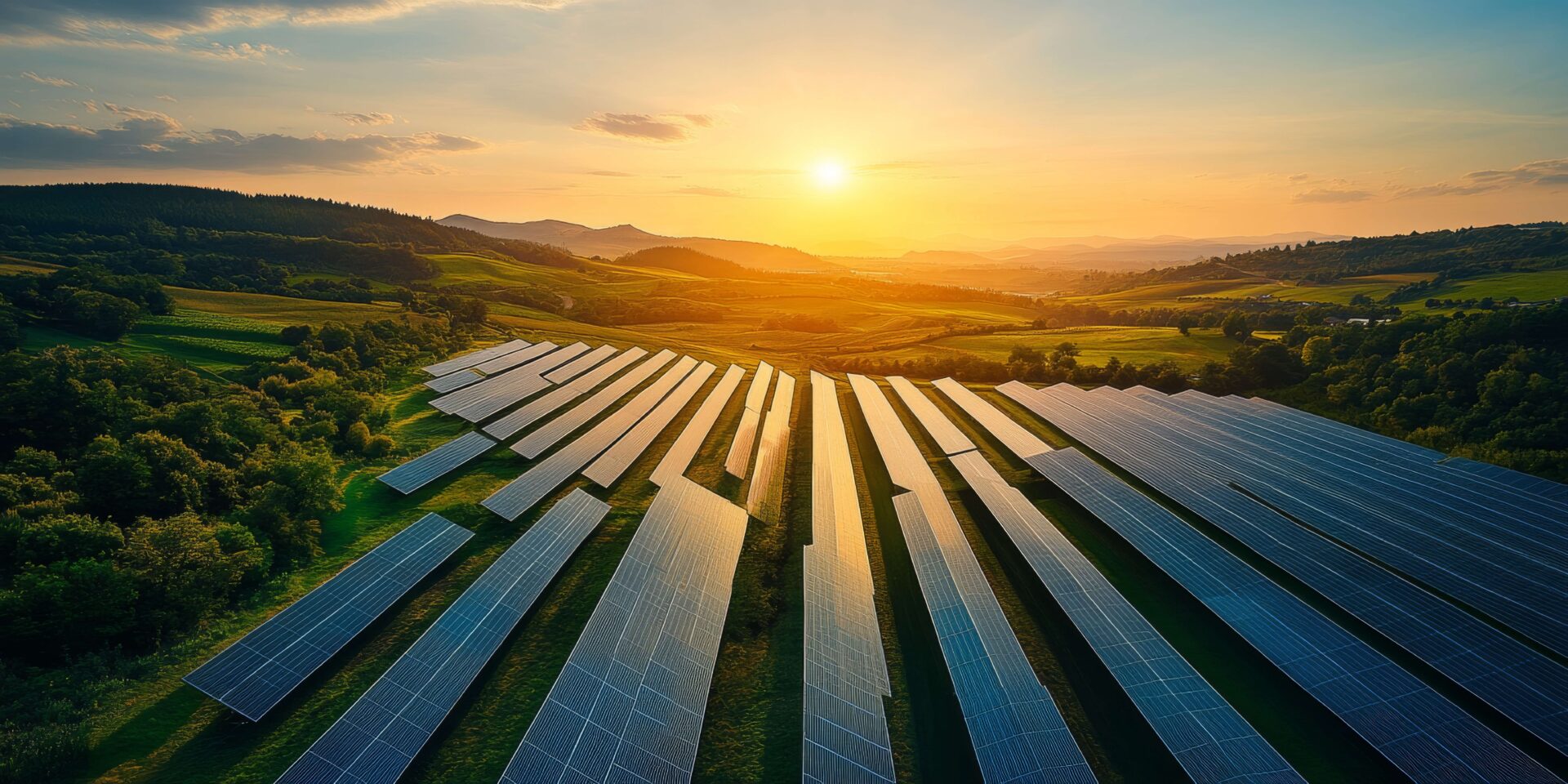
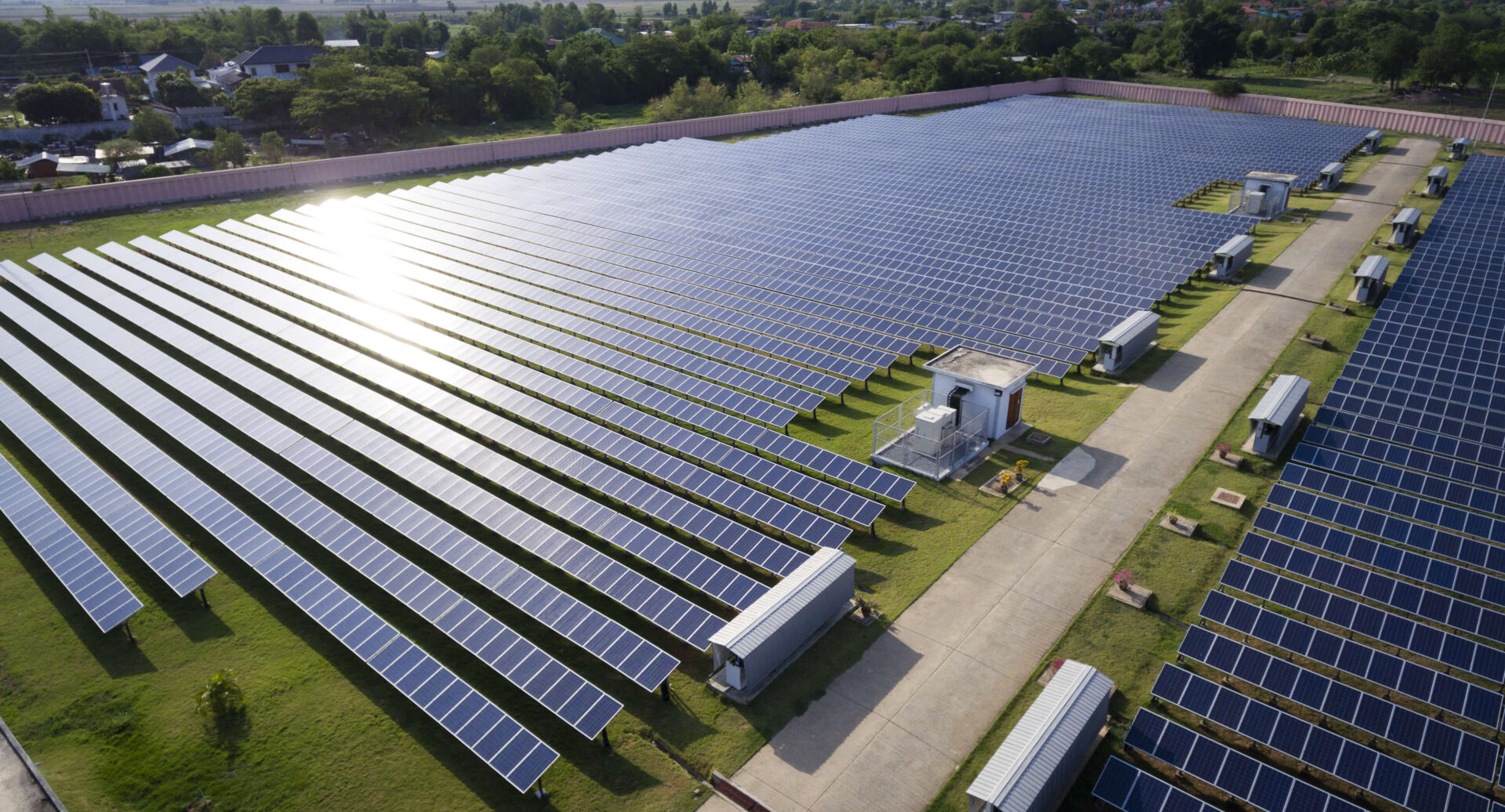
The Focus on Rural Community Energy (FORCE) solar microgrid in Washington County is a community-scale renewable energy project designed to expand clean power production while supporting long-term environmental stewardship. This solar installation will generate renewable electricity that is delivered directly into New York’s energy grid, helping strengthen regional energy resilience while contributing to the state’s clean energy goals.
Project at a Glance
Location: Washington County, New York
Site Size: 20 acres
Energy Capacity: 4–8 megawatts
Annual Energy Production: 10+ million kilowatt-hours
Construction Timeline: Approximately 12–18 months
Jobs Created: 100–150 direct and indirect jobs
What This Project Is
A renewable energy microgrid generating solar electricity
A local infrastructure project strengthening New York’s power grid
A pollinator-friendly site supporting environmental stewardship
What This Project Is Not
Not a fossil fuel or industrial power plant
Not a facility storing hazardous materials
Not a development that interferes with nearby walking trails
Strengthening Clean Energy Infrastructure for New York’s Future
New York is rapidly expanding renewable energy capacity as part of its transition to a lower-carbon energy system. Solar installations like the FORCE solar microgrid in Washington County help generate clean electricity while strengthening the infrastructure that powers communities across the state.
By producing renewable energy locally and connecting it to the broader grid, projects like this help improve energy reliability, support environmental goals, and contribute to a more resilient power network for the future.
Why Renewable Energy Projects Matter Now
Growing Energy Demand
Statewide Clean Energy Goals
Modernizing Energy Infrastructure
Supporting Long-Term Energy Resilience
How the Solar Microgrid Benefits Washington County
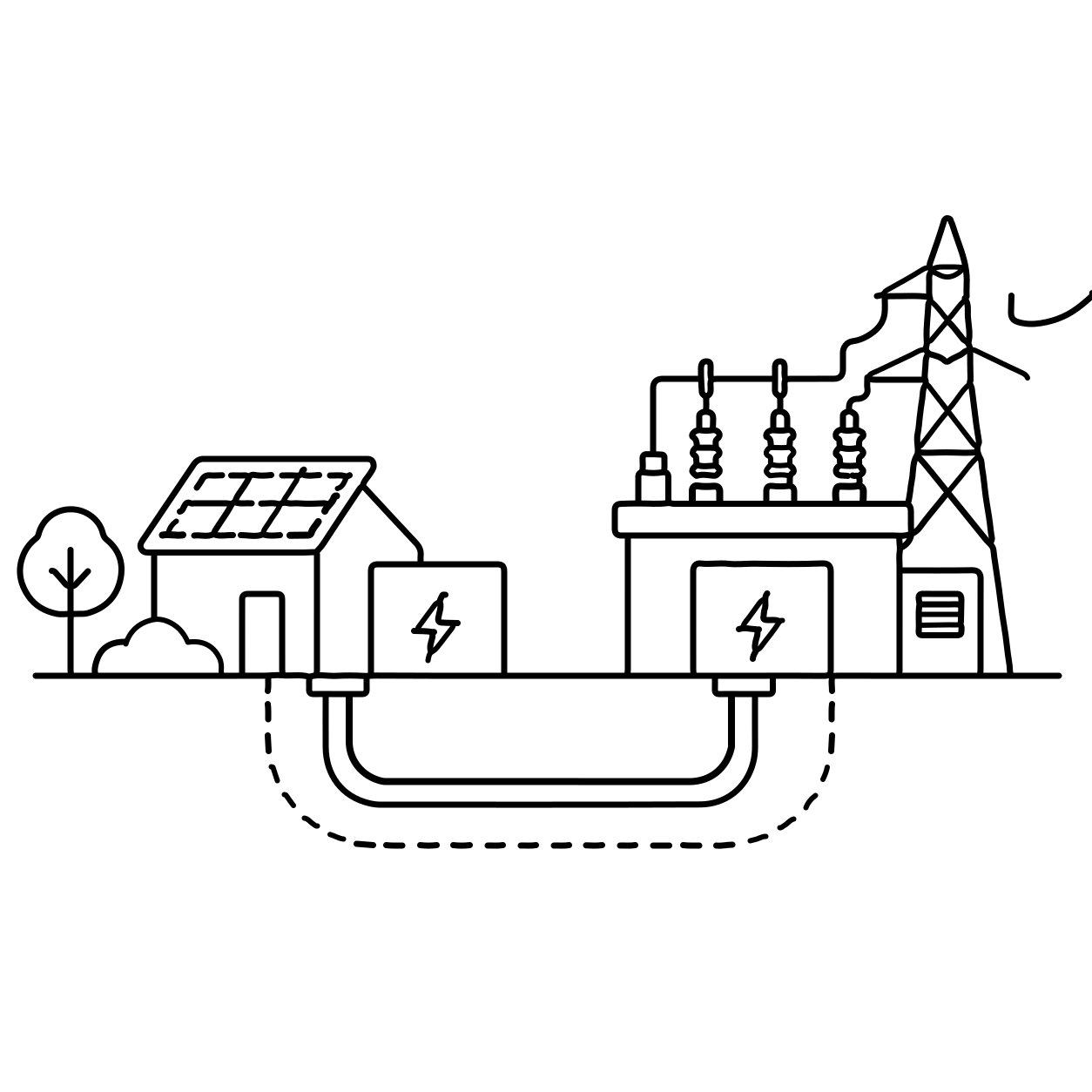
Modern Energy Infrastructure
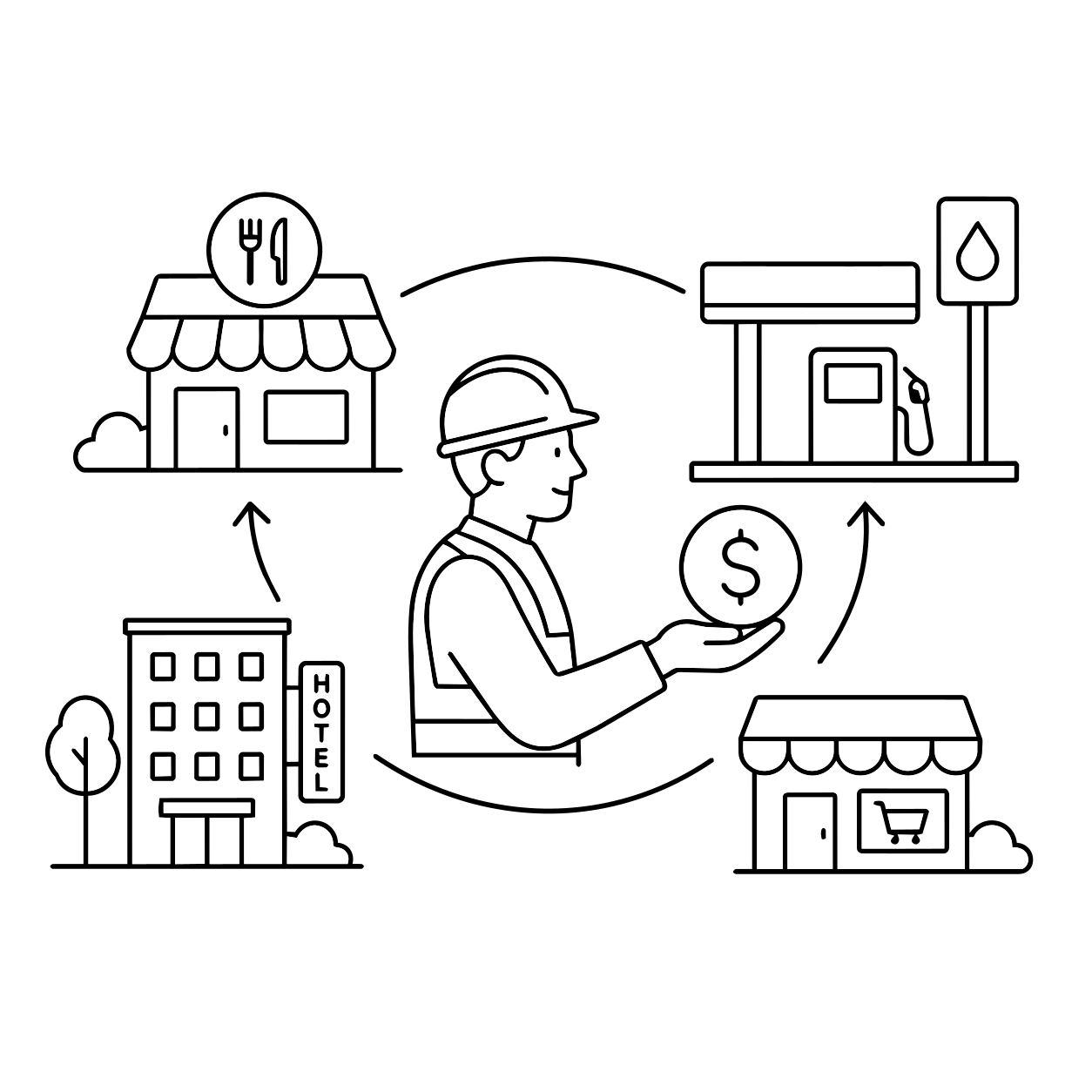
Local Economic Activity
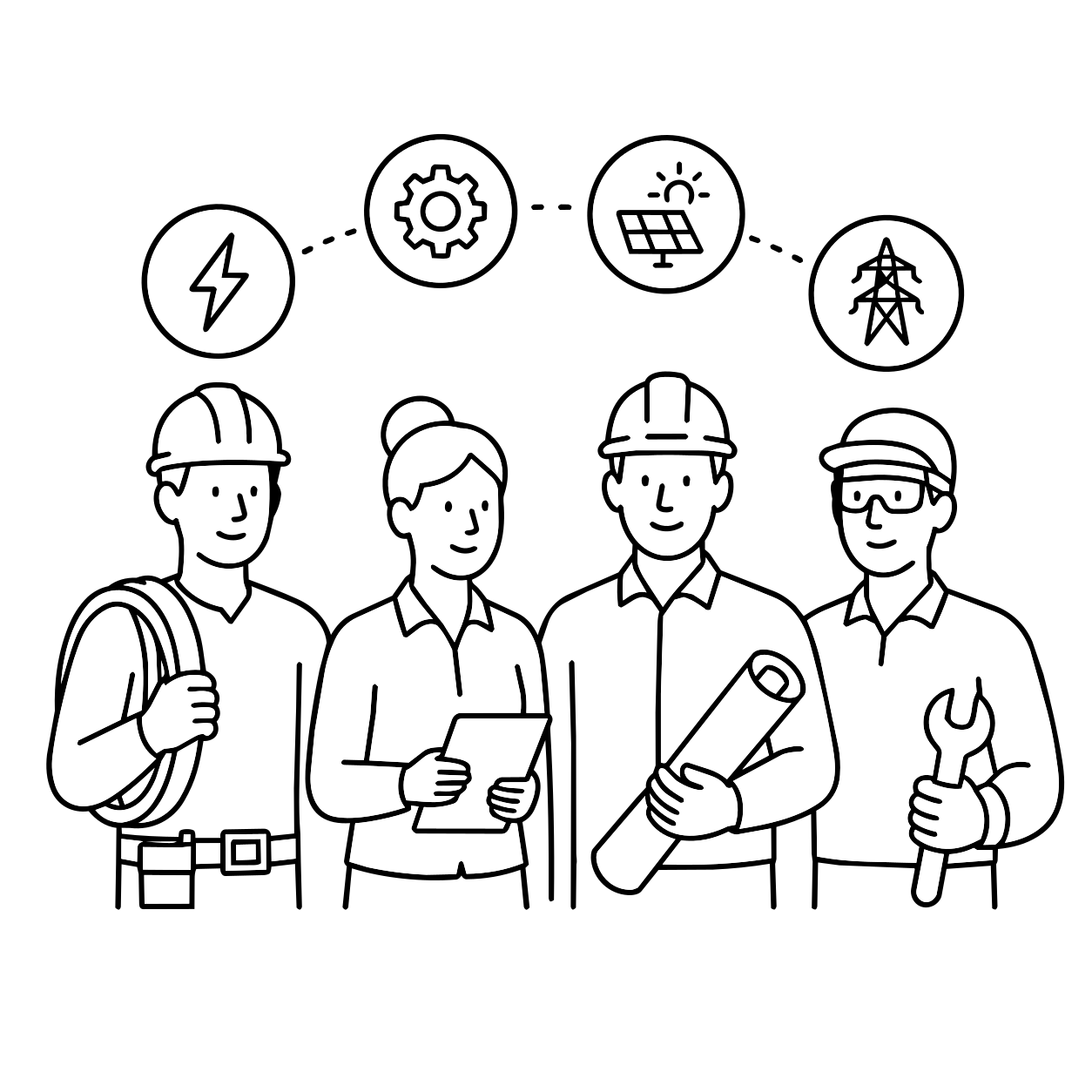
Job Creation
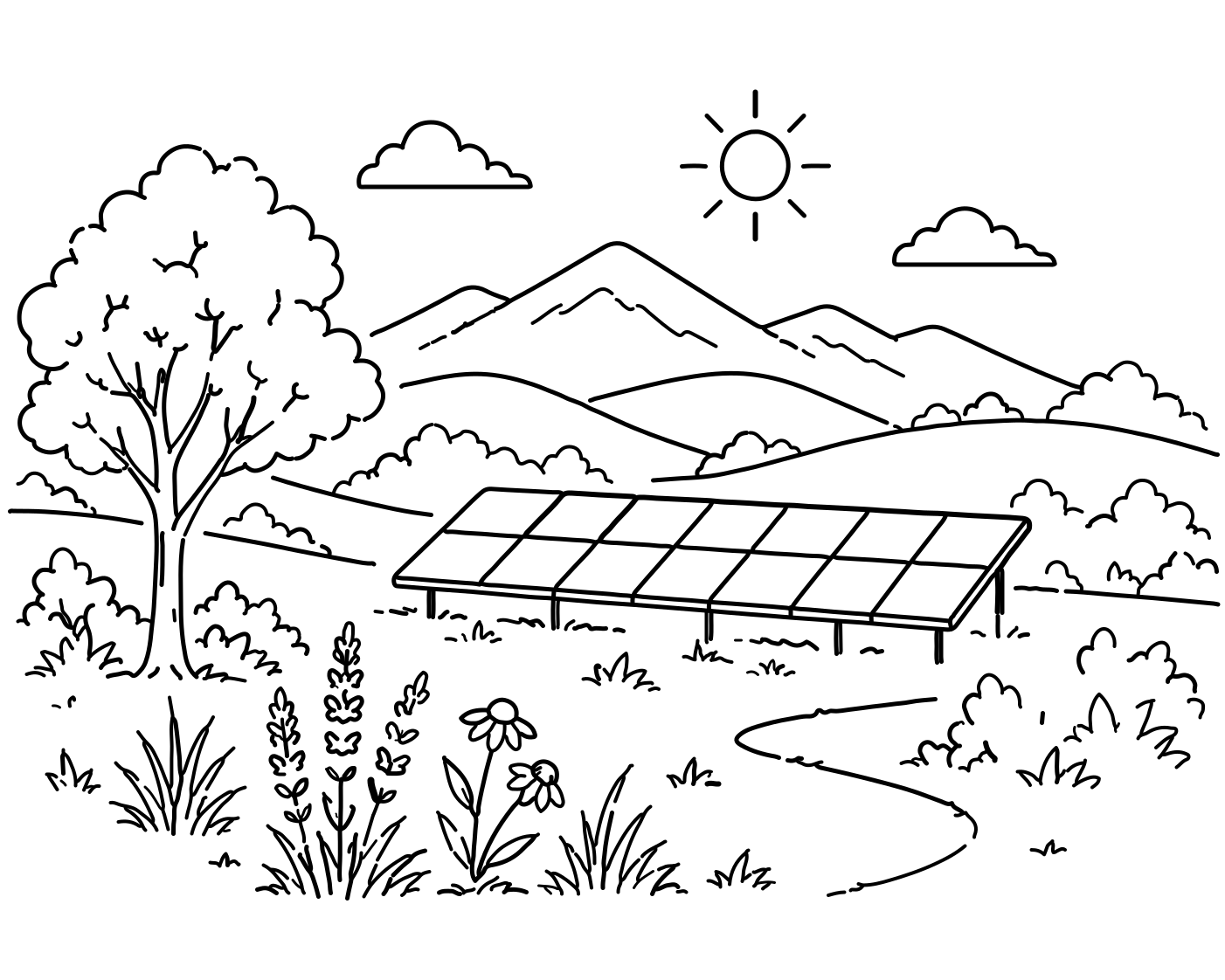
Environmental Stewardship
Responsible Land Stewardship
Designed for Long-Term Environmental Protection
Respect for the Surrounding Landscape
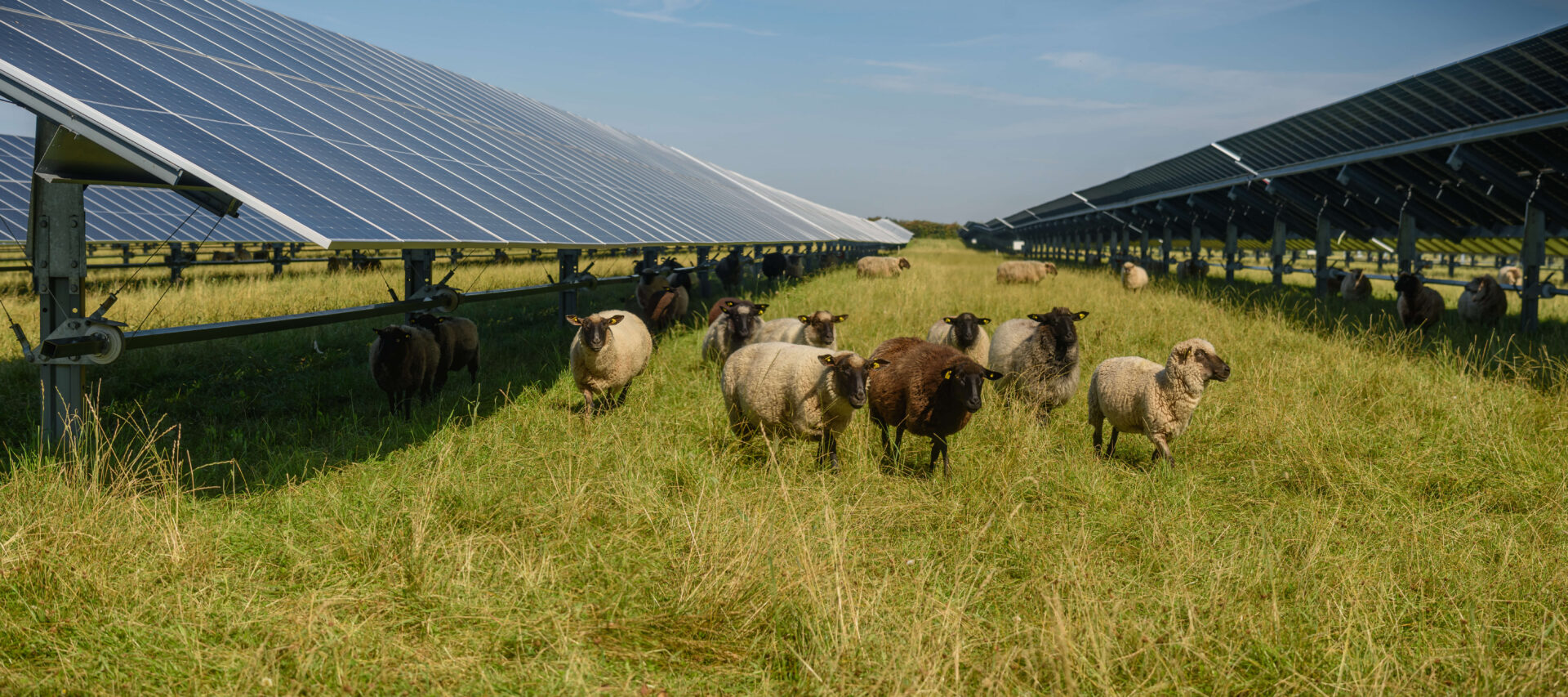
The project is being developed with careful planning to ensure it fits responsibly within the surrounding environment. Solar panels are low-profile structures, and site planning helps maintain the natural character of the area as much as possible.
Pollinator-Friendly Habitat
After construction, the site will be planted with pollinator-friendly vegetation and deep-rooted native plant species that support bees, butterflies, and birds while improving soil health. This approach transforms the site into a managed pollinator corridor that contributes to regional ecosystem health.
Preserving Nearby Trails
The solar installation does not interfere with nearby walking trails or recreational areas. FORCE is coordinating with BBC the organization that stewards the trails to ensure the project coexists respectfully with surrounding recreation spaces.
How the Solar Microgrid Works
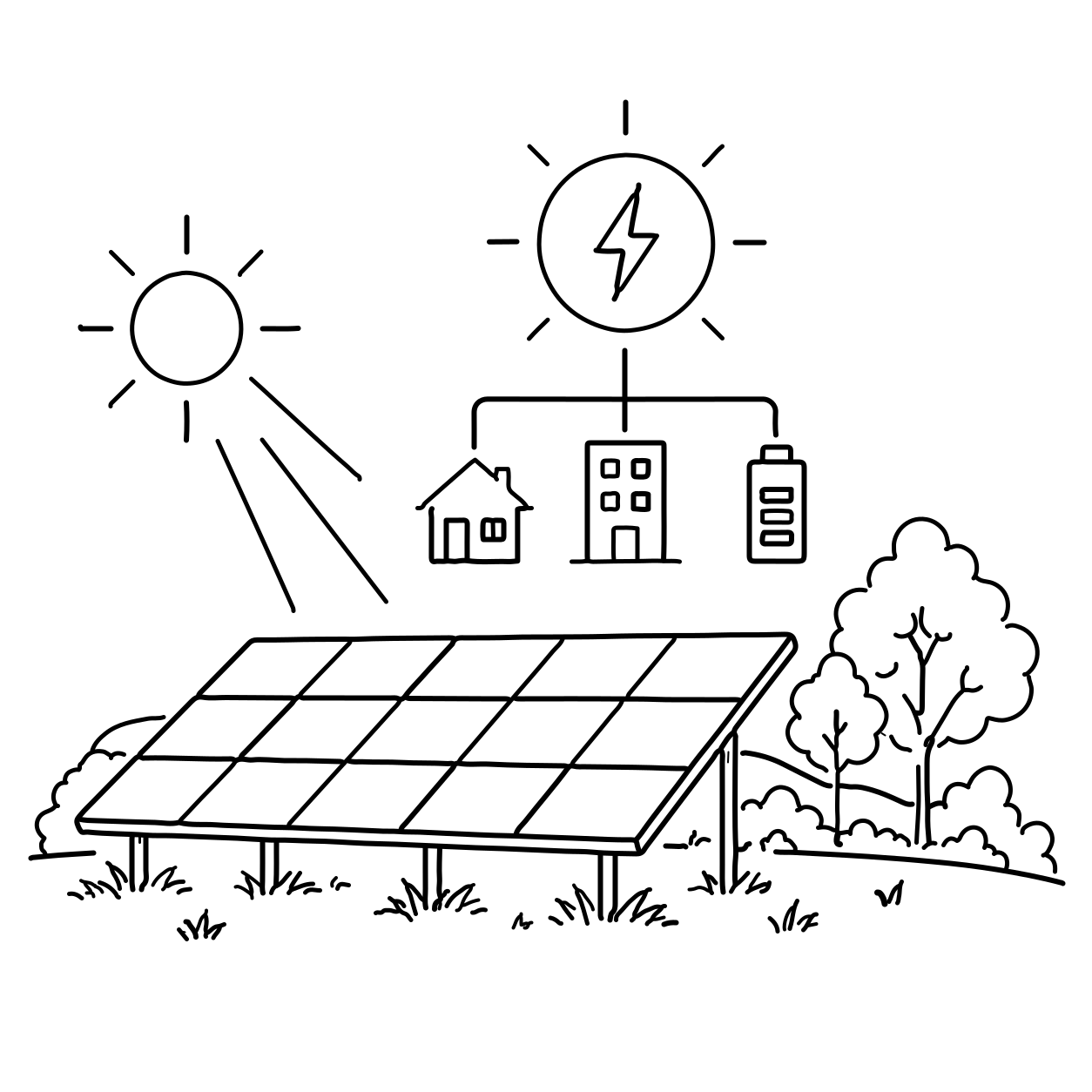
Solar Energy Generation
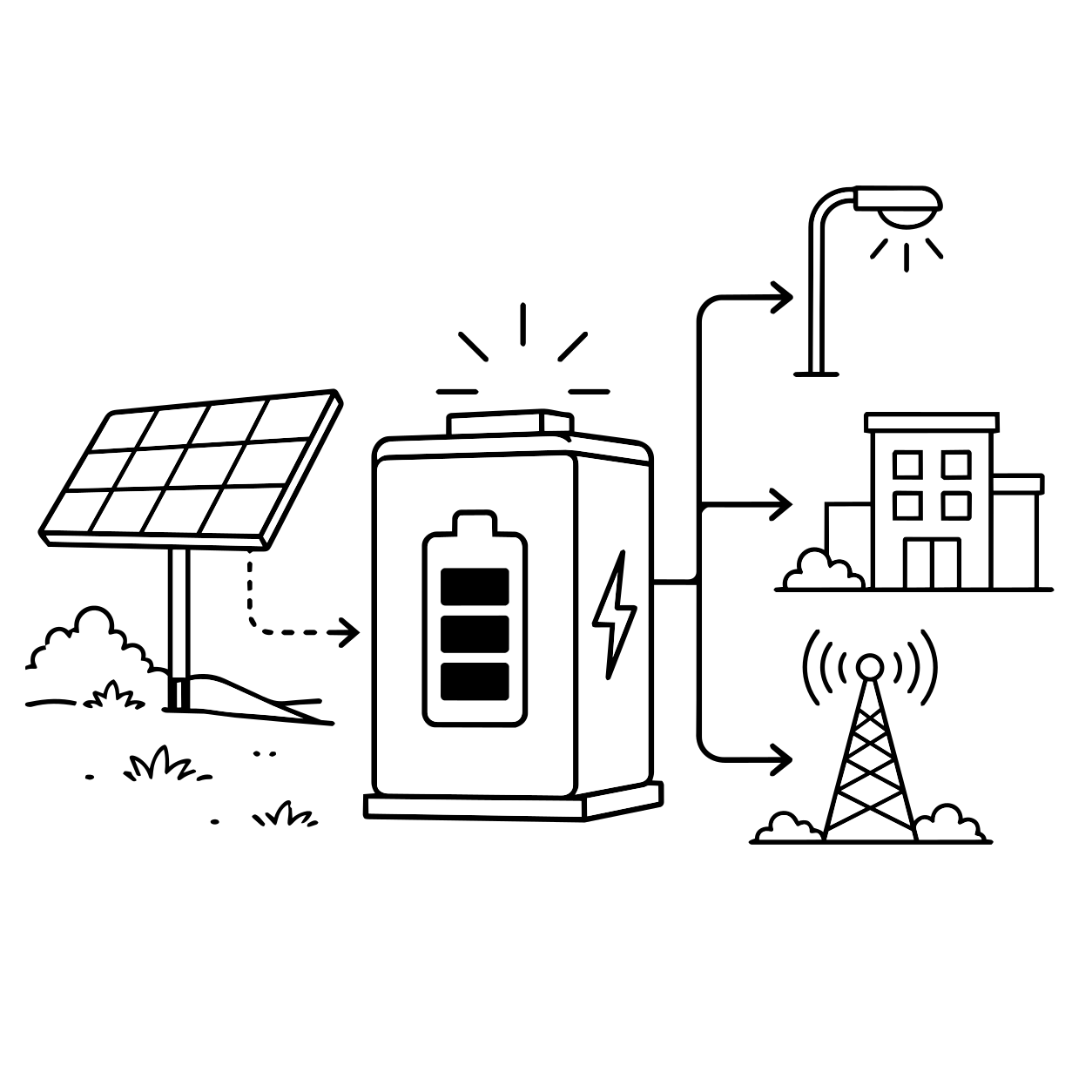
Local Power Conversion
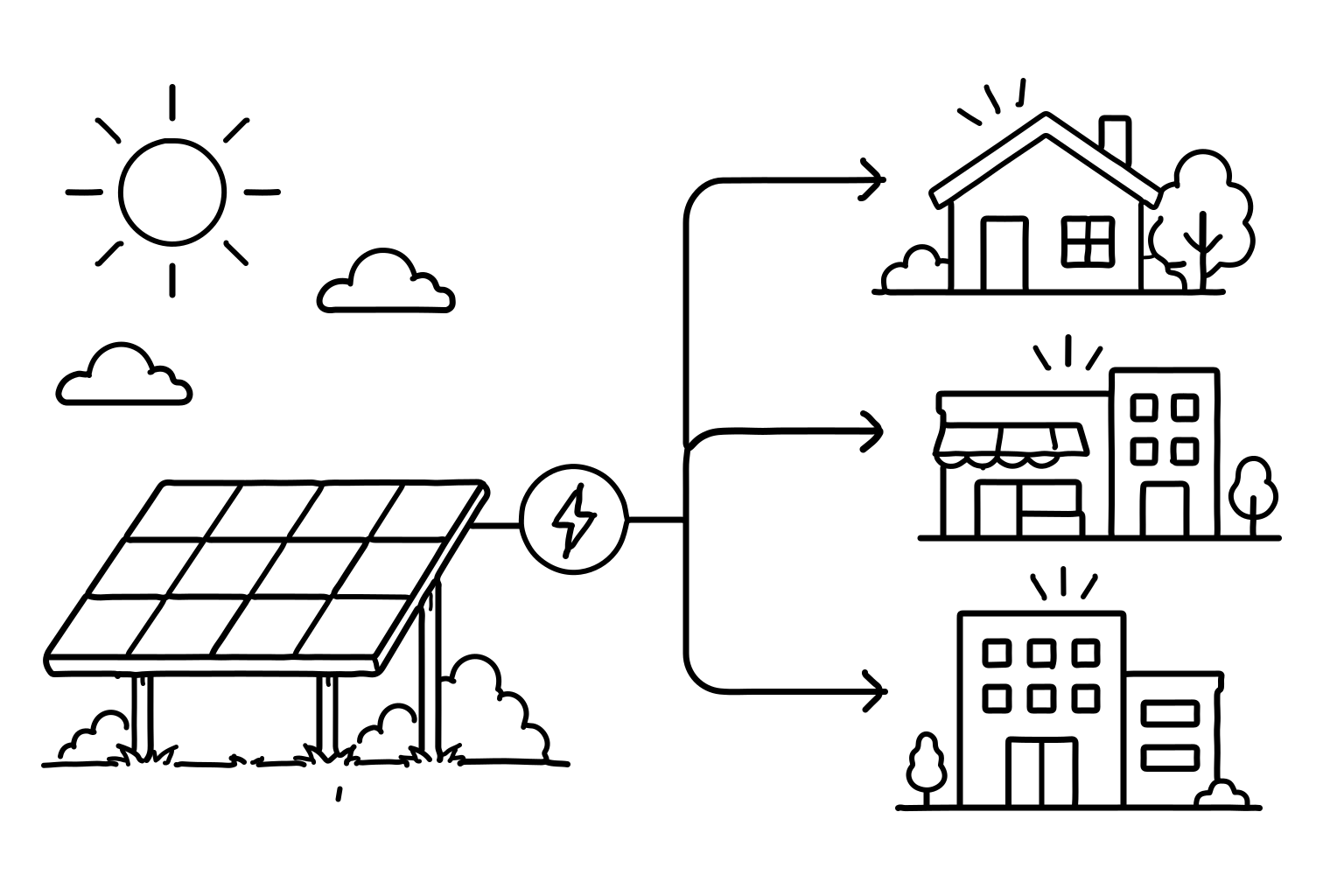
Grid Connection
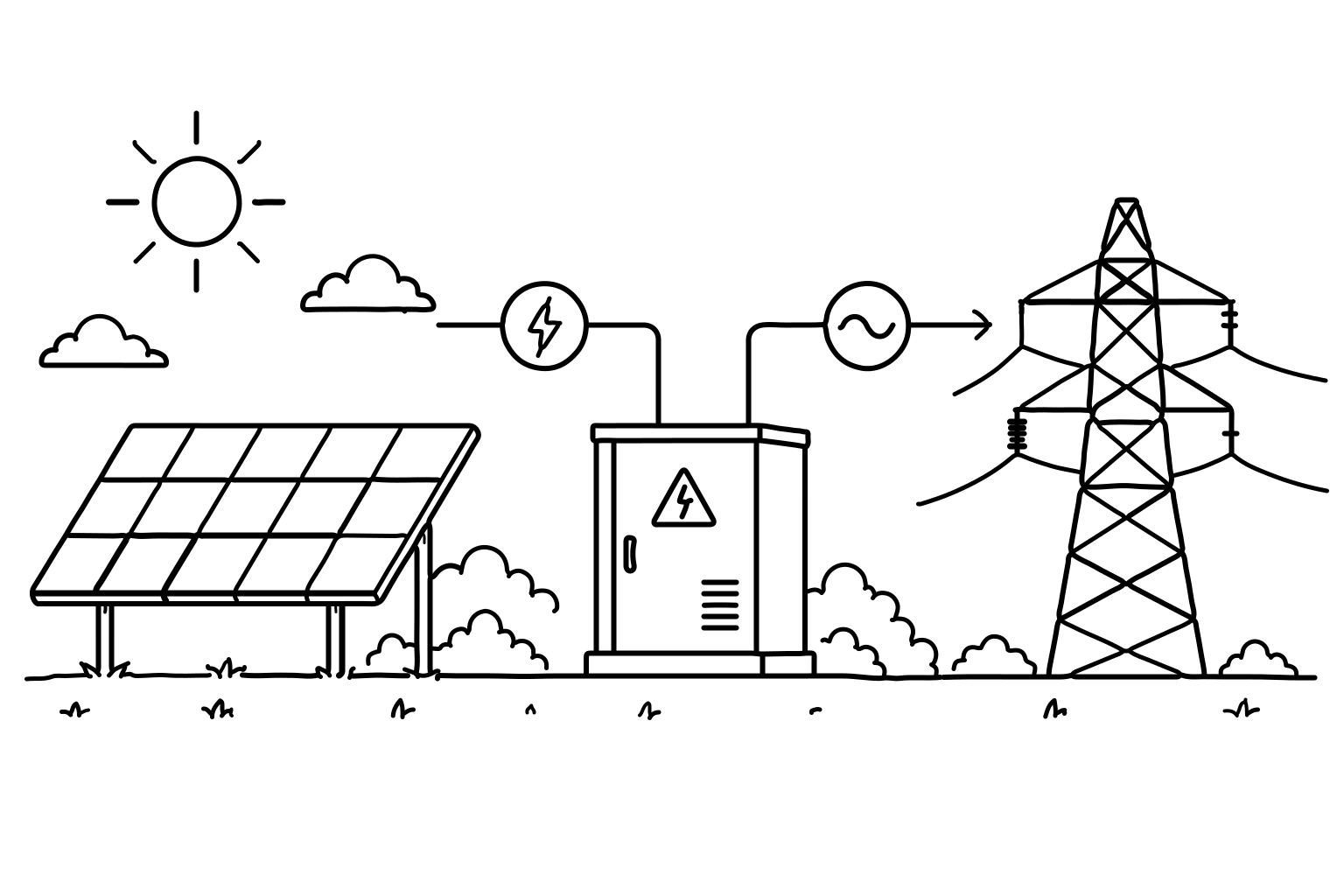
Battery Storage Support
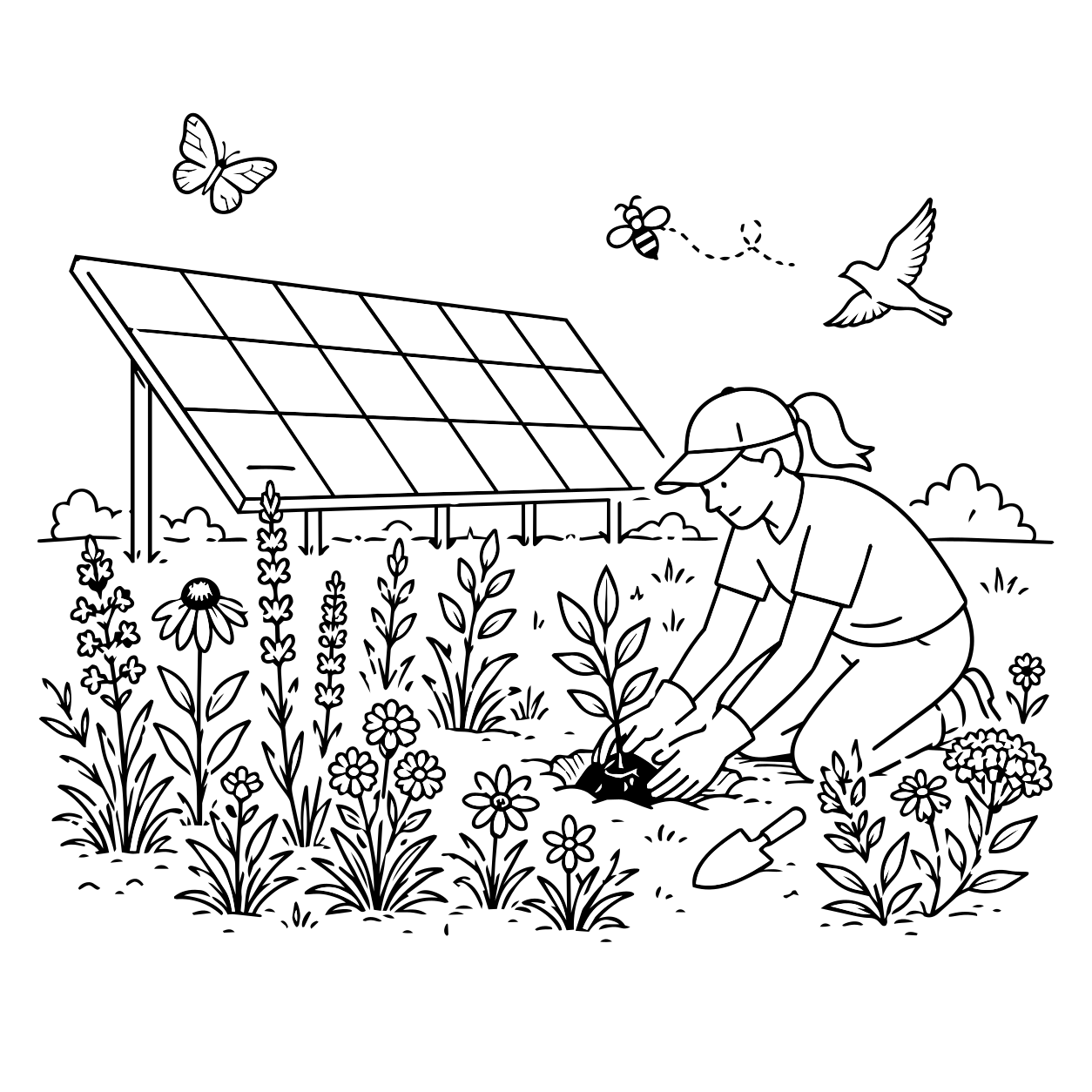
Environmental Stewardship
What Happens Next
Project Phases
Phase 1 — Site Preparation
The project begins with preparing the land and installing early infrastructure. This phase includes land clearing, site grading, and preparation for underground transmission lines.
Phase 2 — Solar Installation
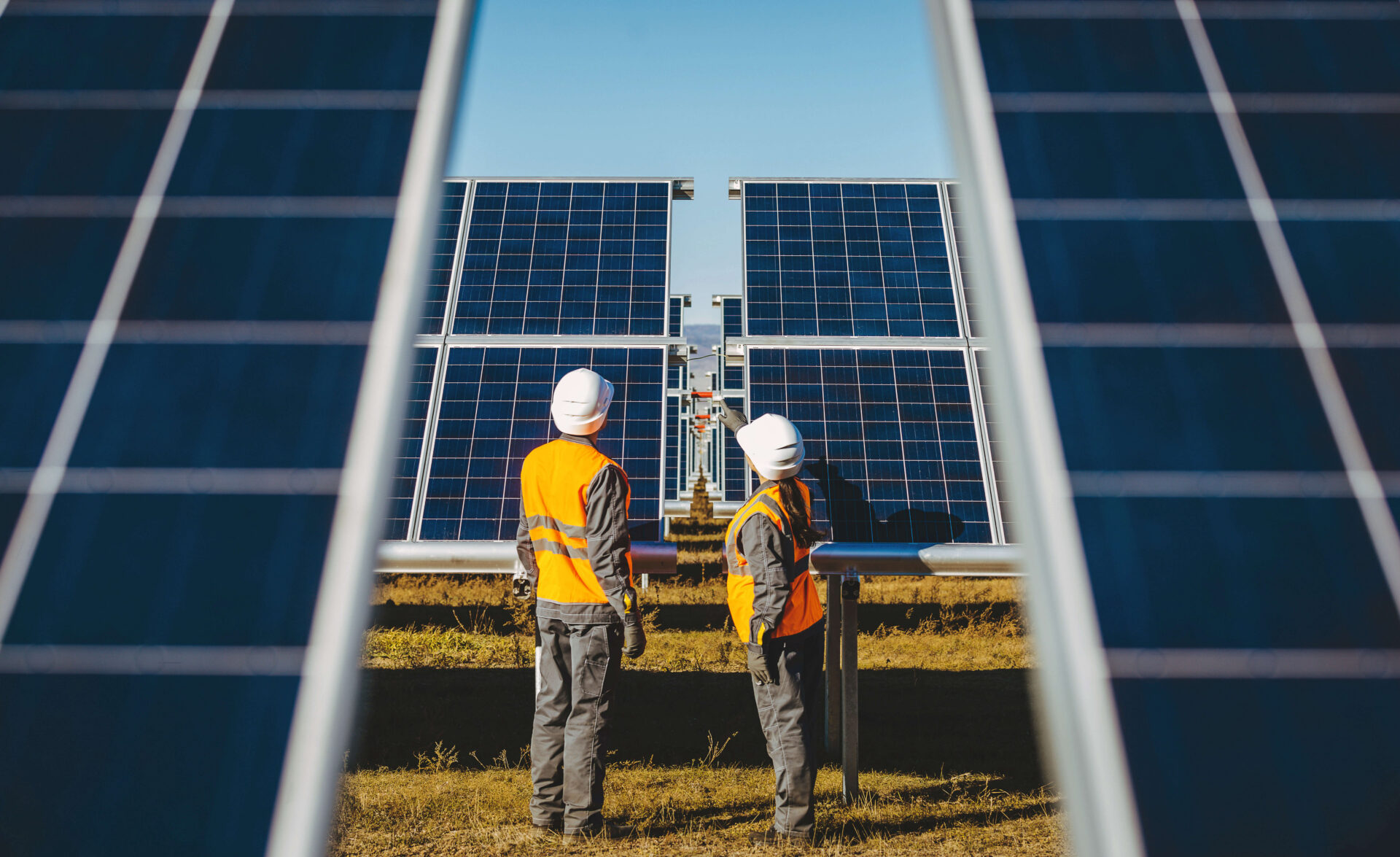
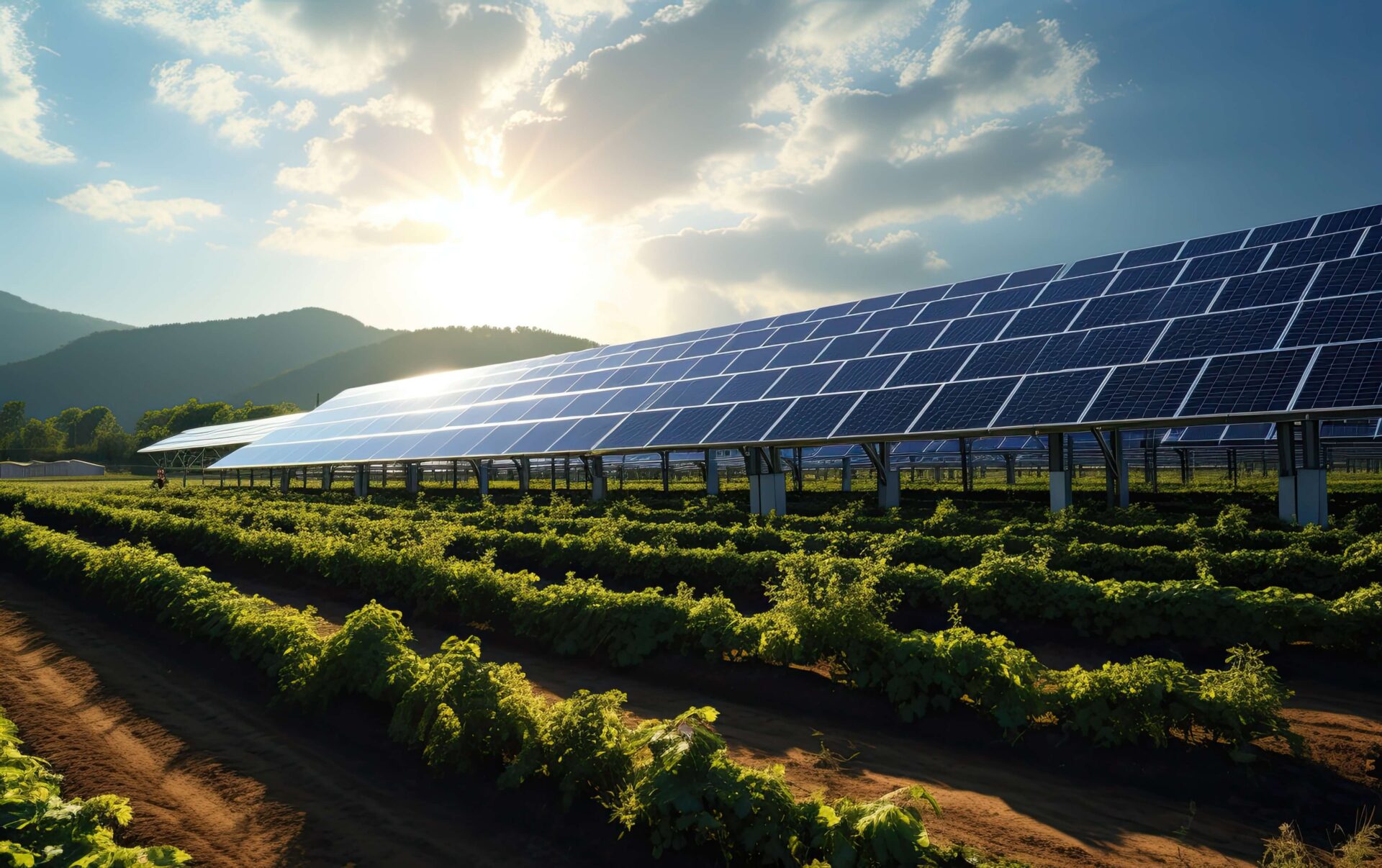
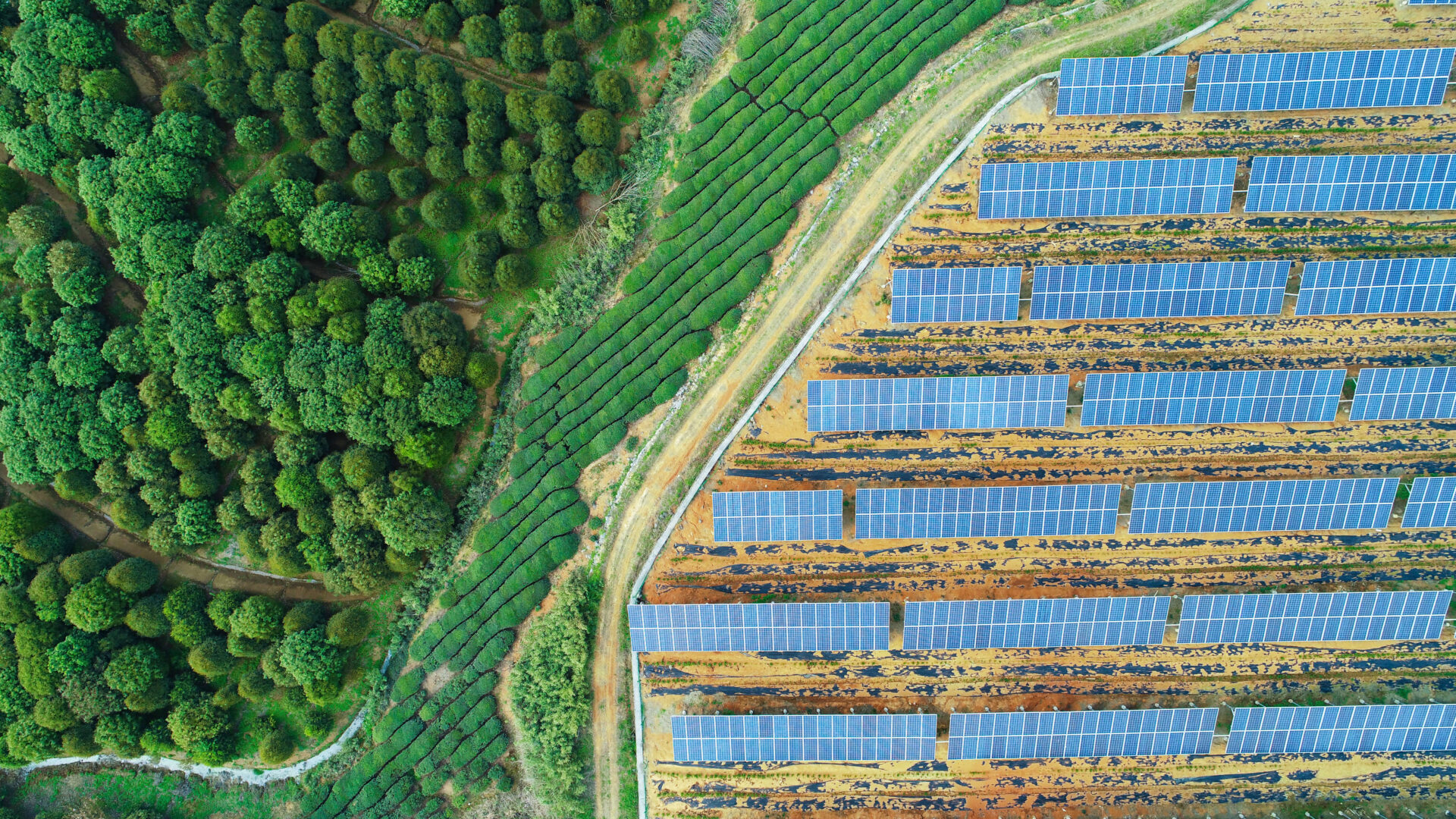
Solar panels and supporting infrastructure are installed across the 20-acre site. This stage also includes electrical installation and additional site preparation.
Phase 3 — Grid Connection
The final phase connects the microgrid to the regional energy system through substation upgrades and underground transmission lines.
Early Success and Next Steps
Community Readiness
FORCE is working with community stakeholders and funding partners to advance the first installation of this solar microgrid infrastructure model in rural New York. Early planning work, site preparation, and funding exploration are already underway to support responsible project development.
Progress to Date
Submitted land survey and plot plan to the Village of Cambridge
Completed feasibility study — estimated wattage, yield and solar panel installation cost
Consulted arborist and tagged trees for removal
Next Step
Develop bid kit to request estimates from subcontractors and consultants
Show Your Support for Local Clean Energy
Support Local Clean Energy
Add your name to the registry to show that members of the Washington County community support responsible renewable energy development. Your support helps demonstrate community interest in projects that strengthen the regional energy system and contribute to a cleaner energy future.
Stay Informed About the Project
If you would like to receive updates as the project progresses, you can also choose to receive occasional information about development milestones and construction progress. Your contact information will be used only for project communication and will never be shared publicly.
Connect With the FORCE Team
Your Questions Answered
Will the solar microgrid provide electricity directly to local homes?
No. The electricity generated by the FORCE solar microgrid in Washington County will power local infrastructure and be delivered into New York State’s power grid rather than directly to individual homes. By contributing clean energy to local infrastructure and the grid, the project helps strengthen the overall energy system that serves communities across the state.
Why do trees need to be cleared for the project?
Solar panels must receive direct sunlight to generate electricity efficiently. Preparing the 20-acre site requires clearing trees so the solar installation can operate effectively. After construction, the site will be replanted with pollinator-friendly vegetation and native plants that supports bees, butterflies, and other beneficial species.
Will the solar project affect nearby walking trails?
No. The solar installation will not interfere with nearby walking trails or recreational areas. The project team is coordinating with neighboring landowners to ensure surrounding recreation spaces remain accessible.
Will the solar panels be visible from nearby homes or roads in the area?
Some portions of the installation may be visible depending on location and elevation. Solar panels are low-profile structures designed to sit close to the ground, and the project will include landscaping and vegetation where appropriate to help the installation blend into the surrounding environment.
How large is the FORCE solar microgrid in Washington County?
The installation will cover approximately 20 acres and is designed to generate between 4 and 8 megawatts of electricity. Once operational, it is expected to produce more than 10 million kilowatt-hours of renewable electricity each year, contributing clean energy to New York’s grid.
Will the project create jobs for the local community?
Yes. During the construction phase, the project is expected to create 100–150 direct and indirect jobs, including work in electrical installation, engineering, site preparation, construction; as well as, groundskeepers, maintenance, and administration. Local businesses may also see increased spending from workers supporting the project.
How long is construction expected to take?
Construction is expected to take approximately 12–18 months, depending on permitting, infrastructure coordination, and weather conditions. Development occurs in phases, beginning with site preparation and ending with connection to the regional energy grid.
What happens to the solar panels at the end of their life?
Solar panels typically operate for 25–35 years. At the end of their useful life, the panels and equipment can be safely removed, recycled through established solar panel recycling programs, and replaced with new panels. Renewable energy projects are designed with long-term lifecycle planning so sites can be responsibly restored with newer technology.
Who owns and manages the project?
NEED owns the land where the project will be built. The project is being developed by FORCE, a nonprofit organization focused on advancing renewable energy infrastructure in rural communities. FORCE is responsible for coordinating development and partnerships required to bring the project online.
How will the project benefit the local community?
The project brings several benefits to the region, including infrastructure upgrades, construction employment, support for local businesses during development, and the creation of pollinator-friendly habitat across the site. It also contributes clean electricity to New York’s energy system.
How can residents stay informed or share their support?
Residents can sign the Community Support Registry on this page to express support for responsible clean energy development and receive project updates. Community interest helps demonstrate that local residents value investments in modern energy infrastructure.
Who will see the names on the Community Support Registry?
Names added to the Community Support Registry help demonstrate that local residents are aware of the project and support responsible clean energy development in the community.
The registry may be shared with project partners, grant providers, and public agencies as part of demonstrating community awareness and engagement. Only the number of names on the list will be shared. Our policy is not to pulish the list publicly or share it with public officials. In rare instances, the list may be viewed by a grantor or funders to verify accuracy of the number of names on the list.
Adding your name simply indicates that you support the project and would like to stay informed. It is not connected to any political campaign or ballot initiative.