
LINK: Building a Rural Career Institute for Emerging Workforce Opportunity
Project Overview
Rural communities are entering a new economic era shaped by healthcare expansion, technology adoption, and growing demand for skilled professionals. Learning Inspires New Knowledge (LINK) is establishing a workforce educational institute designed to prepare residents in rural communities for these opportunities through employer-aligned credential programs and rigorous applied learning.
Project at a Glance
Location: The Village of Cambridge, NY
Initial Program Focus: Healthcare credential programs aligned with regional employers and workforce readiness
Education Model: Small cohort learning with industry-experienced instructors
Employer Partnerships: Integrated internship and workforce alignment with local employers
Learning Pathways: Credential programs designed around real job demand
Future Program Expansion: Agriculture, technology, skilled trades, and renewable energy sectors
A rural career institute aligned with real employer demand
A place where residents gain industry-recognized credentials
Small-cohort learning focused on applied professional mastery
A long-term investment in rural workforce excellence
Not a traditional four-year college program
Not a generic vocational or technical training center
Not a temporary workforce training initiative
Not education disconnected from real employment demand
Preparing Rural Communities for the Next Generation of Opportunity
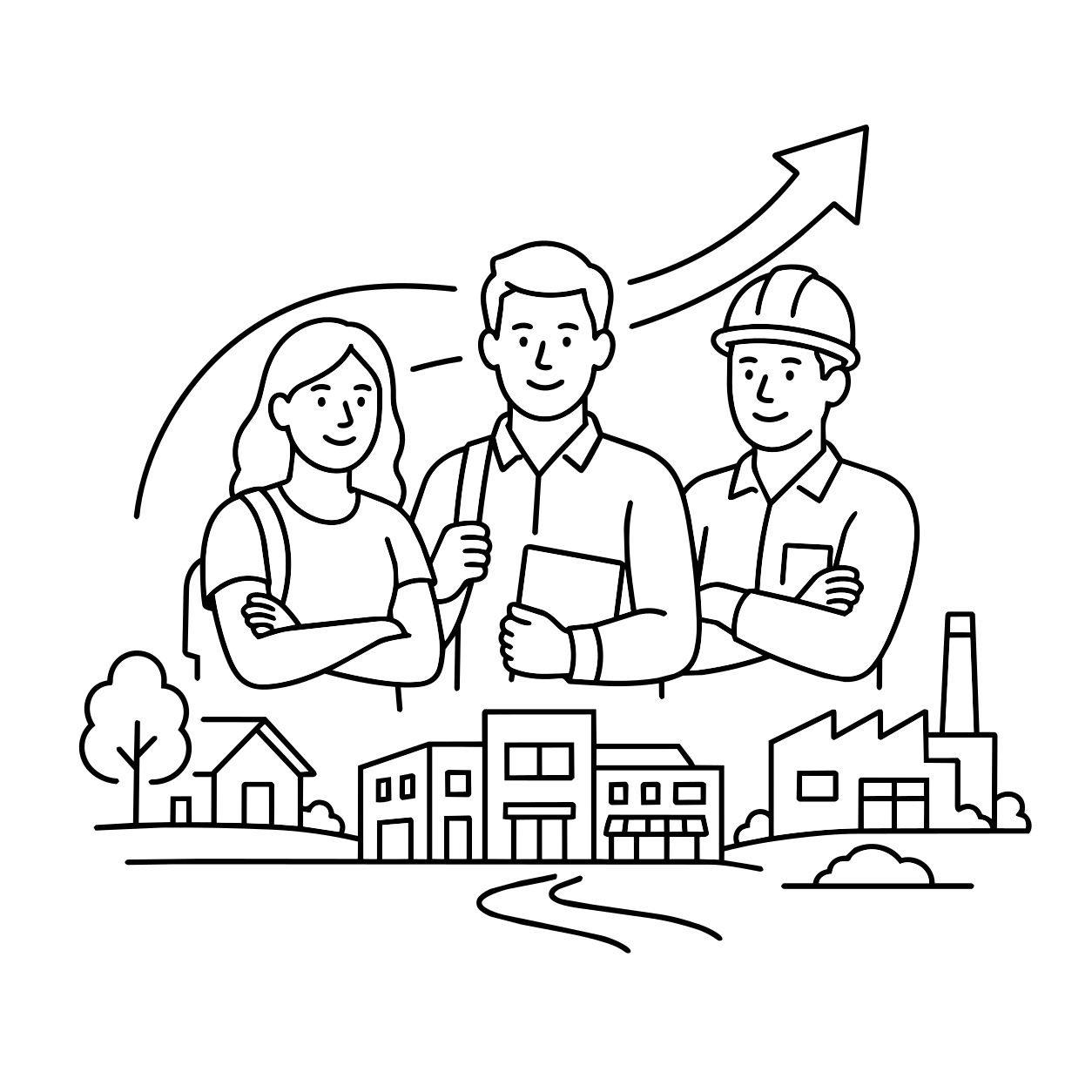
Rural communities are entering a period of economic transformation. Healthcare services are expanding, new technologies are reshaping industries, and skilled trades remain essential to local infrastructure and growth.
Yet many rural regions face a persistent challenge: employers struggle to find qualified skilled workers while residents often lack accessible pathways to the credentials needed for emerging careers.
LINK was created to address this gap. By designing programs directly with employers and aligning curriculum to real workforce demand, the institute helps ensure residents can pursue meaningful careers while strengthening the long-term economic vitality of their communities.


Why Workforce Development Matters Now
Healthcare Workforce Demand
Emerging Career Pathways
Keeping Talent in Rural Communities
Accessible Pathways to Professional Mastery
How Strengthening Career Pathways Supports Rural Economic Vitality
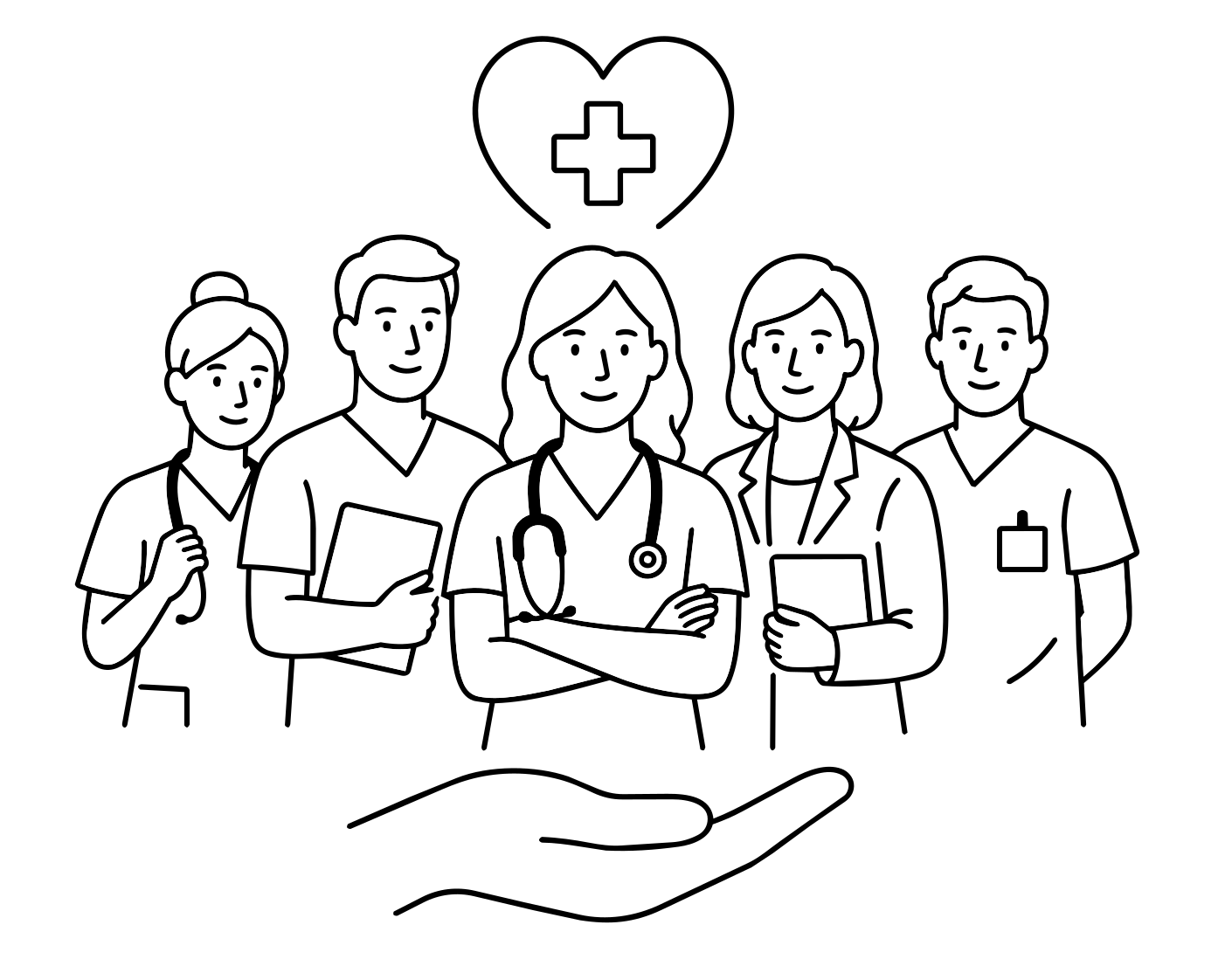
Healthcare Workforce Development
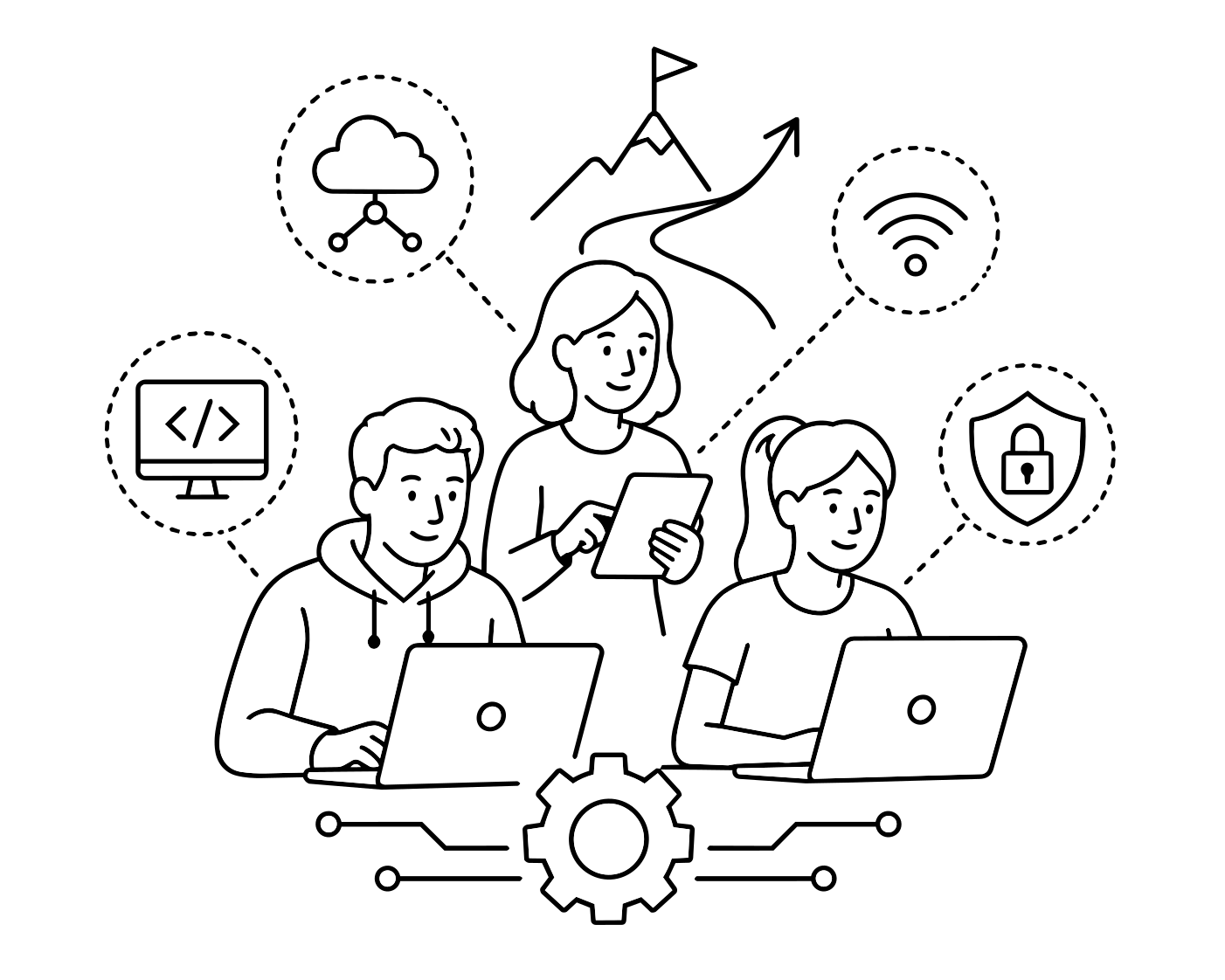
Technology and Digital Career Pathways
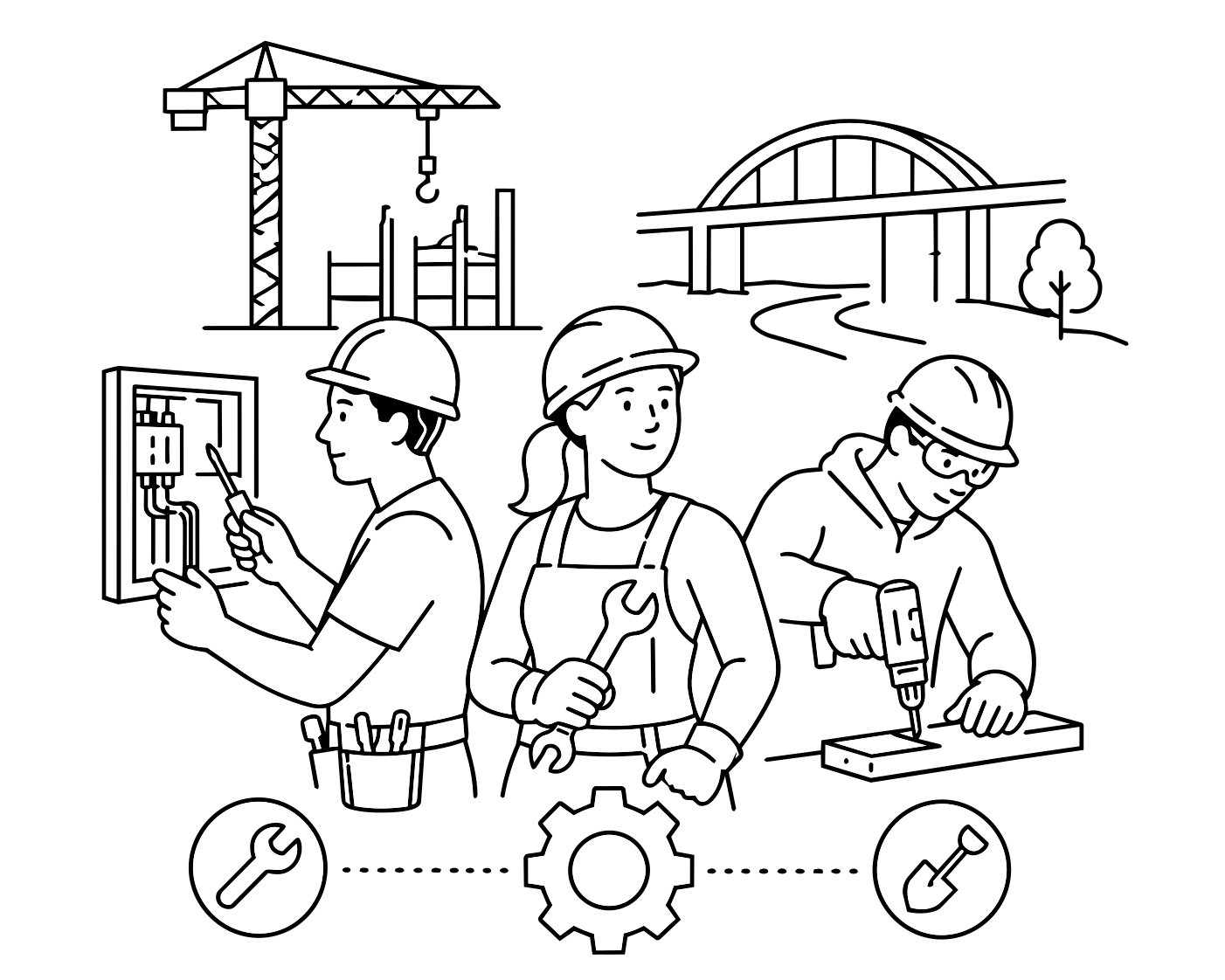
Skilled Trades and Infrastructure Careers
Stronger Local Economies
Building an Institute Designed for Long-Term Excellence

Institutional Excellence in Practice
Employer-Aligned Curriculum
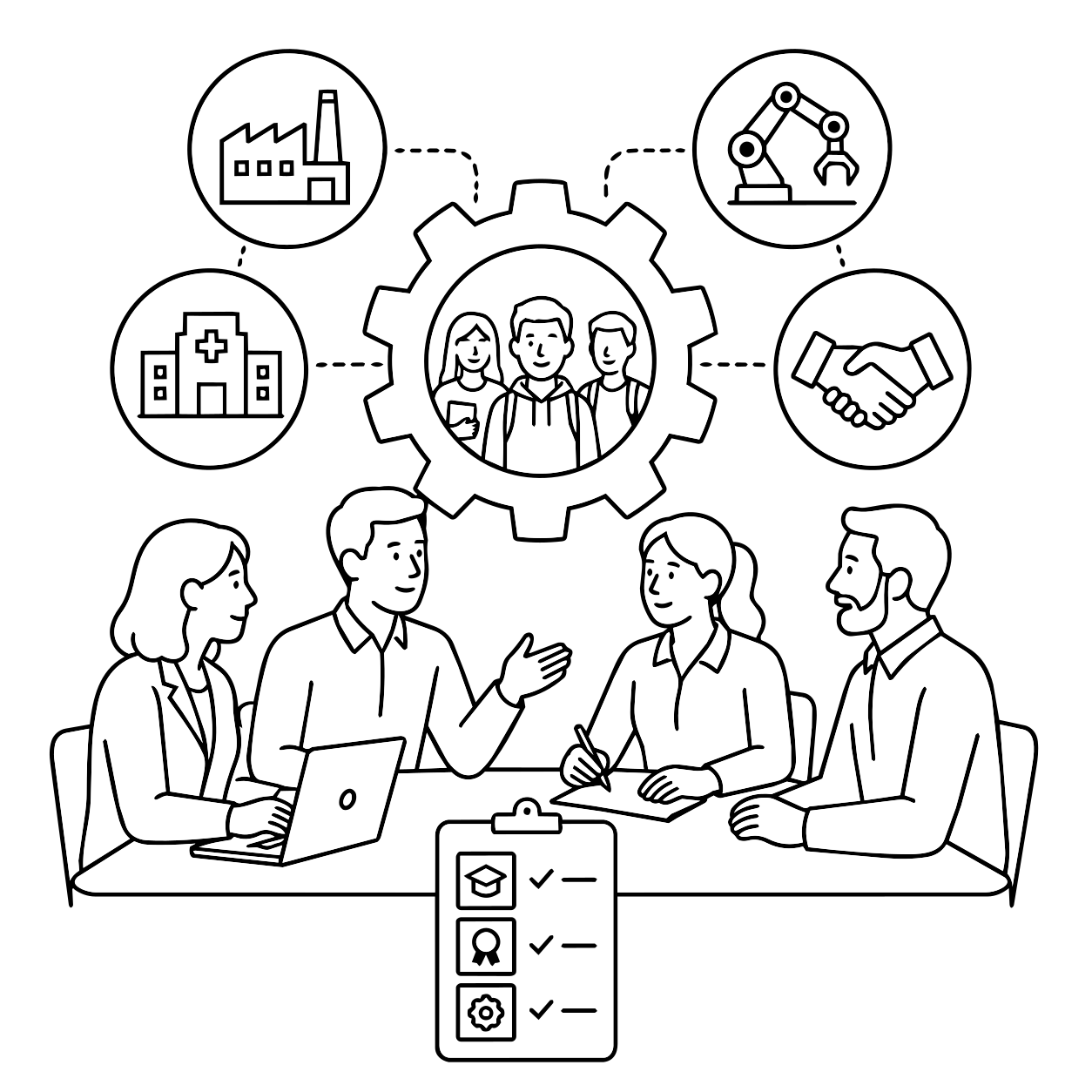
Programs are developed in partnership with regional employers to ensure credential pathways reflect real workforce needs.
Small Cohort Learning
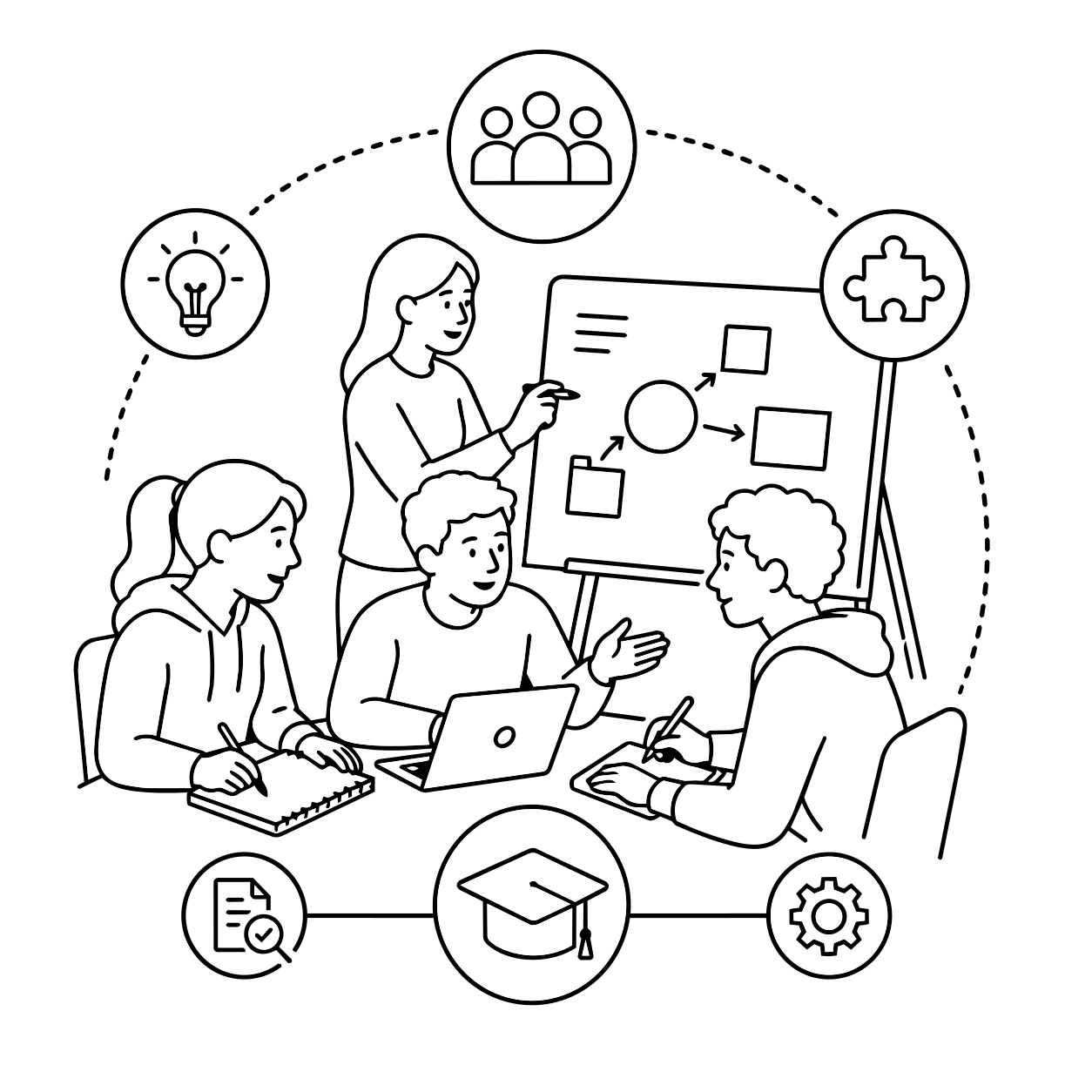
Limited class sizes support focused instruction, mentorship, and deeper mastery of applied professional skills.
Industry-Experienced Instructors
Courses are designed and delivered with input from professionals who bring real-world experience into the learning environment.
Accreditation-Oriented Development
The institute is being designed with academic structures that support future accreditation and long-term institutional credibility.
Designing Career Pathways Aligned With Real Opportunity
Employer Partnerships Inform Program Design
Curriculum Development and Credential Pathways
Cohort-Based Learning and Applied Instruction
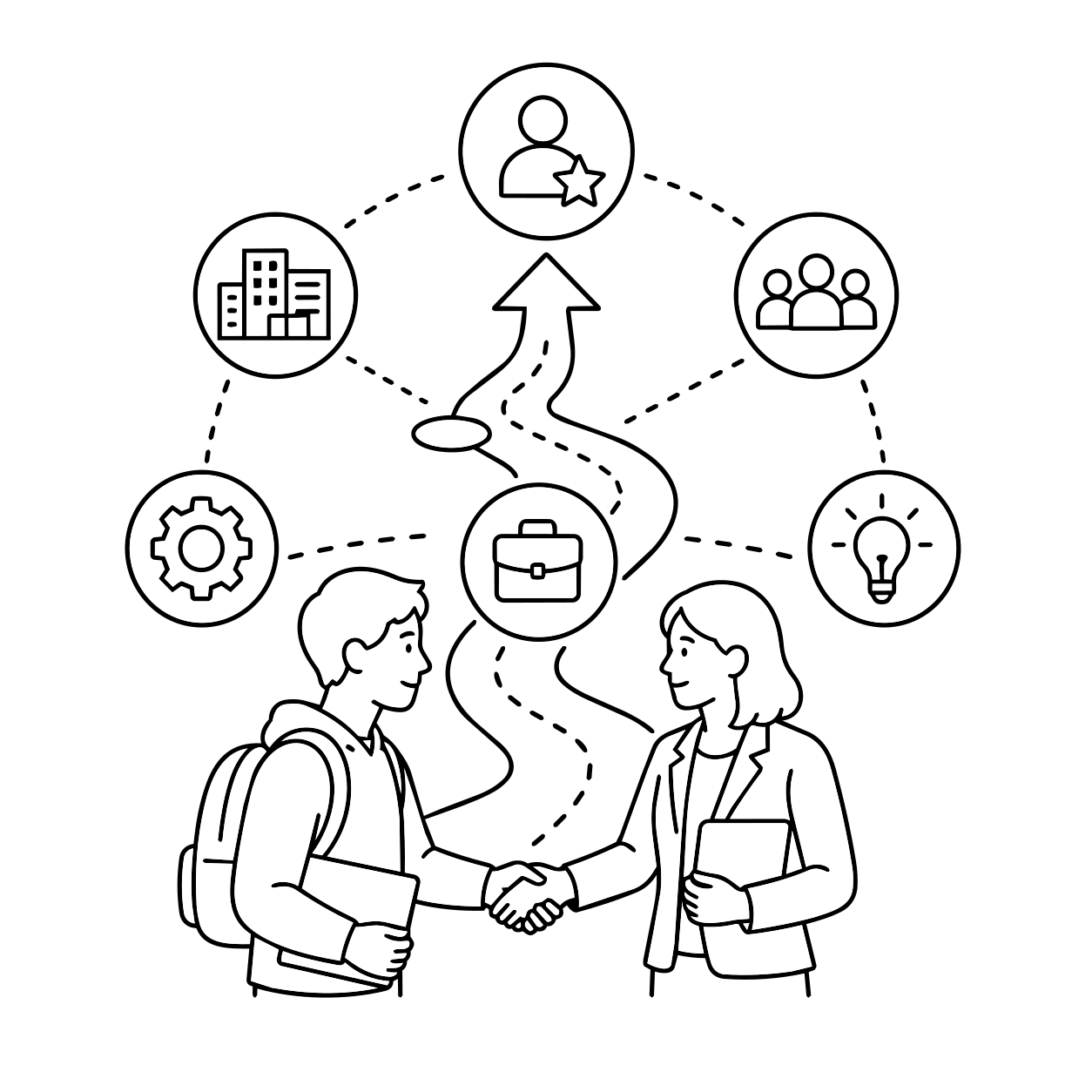
Internships and Career Pathways
Building the Foundation for a Rural Career Institute
Project Phases
Phase 1 — Institute Development & Program Design
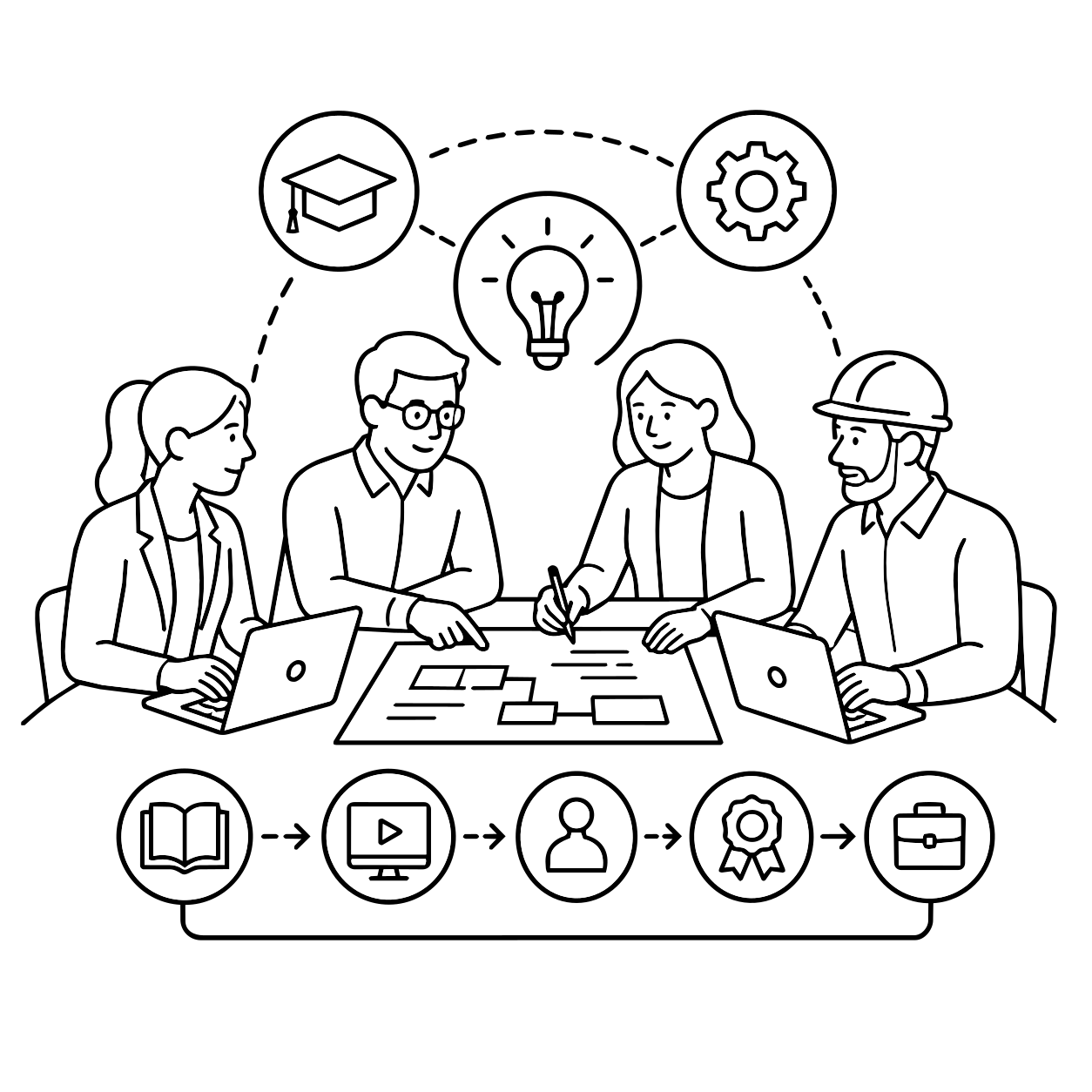
LINK works with educators, employers, and community partners to design curriculum frameworks, establish program standards, and build the institutional foundation for the institute.
Phase 2 — Initial Credential Programs Launch
The institute launches its first employer-aligned credential programs, beginning with healthcare pathways connected to regional workforce demand and internship opportunities.
Phase 3 — Multi-Sector Expansion
Over time, LINK expands its credential programs into additional sectors including technology, agriculture, skilled trades, and renewable energy careers.


Early Success and Next Steps
Community Readiness
Building a workforce institute requires strong community support and collaboration with educators, employers, and residents who believe in expanding opportunity locally.
When residents express support for LINK, it helps demonstrate that the community is ready to invest in building a new generation of career pathways and economic resilience.
Progress to Date
Identified a campus location including a main building for academic classes
Designed healthcare program curriculum
Prepared application for health care program accreditation from NYS Department of Education
Next Step
Finalize the design plan for the main building renovation
Help Build the Future of Workforce Opportunity in Your Community
Show Your Support for the LINK Institute
Adding your name to the Community Support Registry helps demonstrate that the community values building high-quality career pathways and educational infrastructure locally.
Stay Informed About the Institute
Sign up to receive updates as the institute develops its curriculum, partnerships, and credential programs. Be among the first to learn about progress, milestones, and opportunities to engage with the institute.
Connect With the LINK Institute Team
Learn More About the LINK Institute
What is the LINK Institute?
The LINK Institute is a workforce educational institute designed to prepare residents for emerging career opportunities through employer-aligned credential programs. The institute focuses on applied learning, small cohort instruction, and industry-recognized credentials that reflect real workforce demand. By connecting education directly with regional employers, LINK helps create practical career pathways while strengthening the long-term economic vitality of rural communities.
How is LINK different from a traditional vocational school?
LINK is designed as a workforce career institute where programs are developed in partnership with employers and aligned with real industry demand. Rather than offering broad technical training, the institute focuses on carefully designed credential pathways that combine rigorous instruction, small learning cohorts, and practical career preparation. The goal is to ensure that programs reflect real workforce needs while maintaining high academic and professional standards.
What types of programs will the institute offer?
LINK’s initial program will focus on healthcare career pathways connected to regional workforce demand and employer partnerships. Over time, the institute plans to expand programming into additional sectors including technology, skilled trades, agriculture, and renewable energy. Each program will be designed around industry-recognized credentials and practical skill development aligned with real career opportunities.
Who are LINK’s programs designed for?
LINK programs are designed for motivated students seeking meaningful career pathways, including adult learners, career changers, recent graduates, and working professionals. The institute prioritizes accessible, high-quality credential programs that allow rural residents to build professional skills without leaving their communities. By combining rigorous instruction with supportive learning environments, LINK aims to create pathways to long-term career success.
Will residents be able to study locally in the Village of Cambridge, NY through the institute?
Yes. LINK is designed to make high-quality credential programs accessible within the local community. Students will be able to attend in-person classes at the institute while some courses may also be offered through distance learning to provide additional flexibility. This blended approach helps ensure residents can pursue professional credentials without needing to relocate or commute long distances.
How will LINK programs connect with real employers?
LINK programs are developed in partnership with regional employers to ensure that credential pathways reflect real workforce needs. Employers help inform curriculum design, identify required skills, and provide guidance on industry standards. This collaboration helps ensure that the education students receive aligns with the expectations of organizations that are actively hiring.
Will the institute offer internships or hands-on learning opportunities?
Yes. LINK programs are designed to incorporate applied learning opportunities whenever possible. This may include internships, practical training environments, or project-based learning connected to industry partners. These experiences help students translate classroom learning into real-world professional skills.
Who will design and teach the programs?
LINK programs are developed collaboratively by educators, industry professionals, and experienced practitioners who understand the skills required in their fields. Instruction may include a combination of academic educators and professionals with real-world experience, helping ensure that coursework remains both rigorous and practical.
Is LINK planning to pursue accreditation?
Yes, LINK will seek accreditation from the NYS Department of Education. The LINK leadership will explore appropriate accreditation pathways that align with the credential programs being offered. This careful approach helps ensure the institute builds a strong academic foundation while maintaining the flexibility needed during its early development.
What industries may future programs focus on?
LINK’s initial programs will focus on healthcare career pathways aligned with regional workforce demand. Over time, the institute plans to expand into additional sectors such as technology, skilled trades, agriculture, and renewable energy. These industries represent areas where rural could capitalize on emerging workforce demand to support long-term economic growth.
How can local residents support the development of the institute?
Residents can support the institute by adding their name to the Community Support Registry. Community support helps demonstrate that local residents value expanding workforce opportunity and building innovative educational institutions in the Village of Cambridge, NY. This support helps strengthen partnerships and future funding opportunities as the institute continues to develop.