
AGRO: Strengthening Access to Fresh, Healthy Food in Our Community
Project Overview
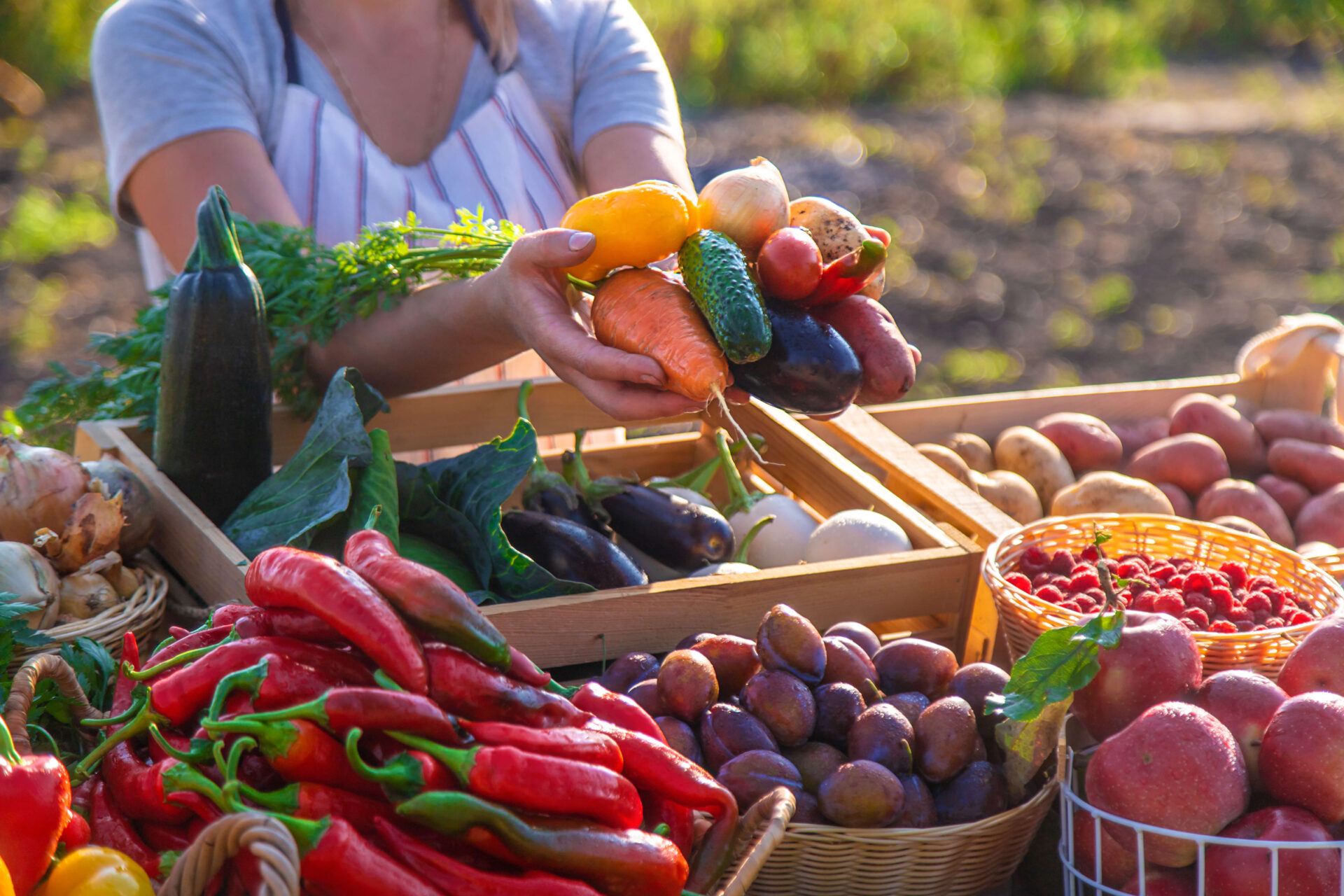
The Adaptive Green Resource Option (AGRO) community food system is a locally coordinated initiative that grows fresh produce and distributes it through community-based pantry locations. Designed for rural communities, the system connects local agriculture with local food access—helping to ensure that fresh, healthy food is available closer to where people live.
By combining food production, distribution, and community partnerships, AGRO creates a more reliable and sustainable way to strengthen access to nutritious food.
Project at a Glance
Location: Regional (serving rural communities across New York)
Locally Grown Produce: Fresh fruits and vegetables are grown within the region.
Coordinated Distribution: Produce is efficiently transported from farms to local access points.
Community-Based Pantry Locations: Residents access fresh food through trusted, convenient locations.
Partnership-Driven System: Local organizations help ensure food reaches residents in a consistent and accessible way.
A local food growing and distribution system
A network of community-based food access points
A sustainable approach to food access
Not a temporary food program
Not limited to one location or organization
Not a one-size-fits-all model
Not a soup kitchen
Expanding Access to Fresh Food in Rural Communities
Access to fresh, healthy food is becoming more difficult in many rural communities. While grocery options may be limited, rising food costs and longer travel distances make it harder for residents to consistently access nutritious food for everyday life.
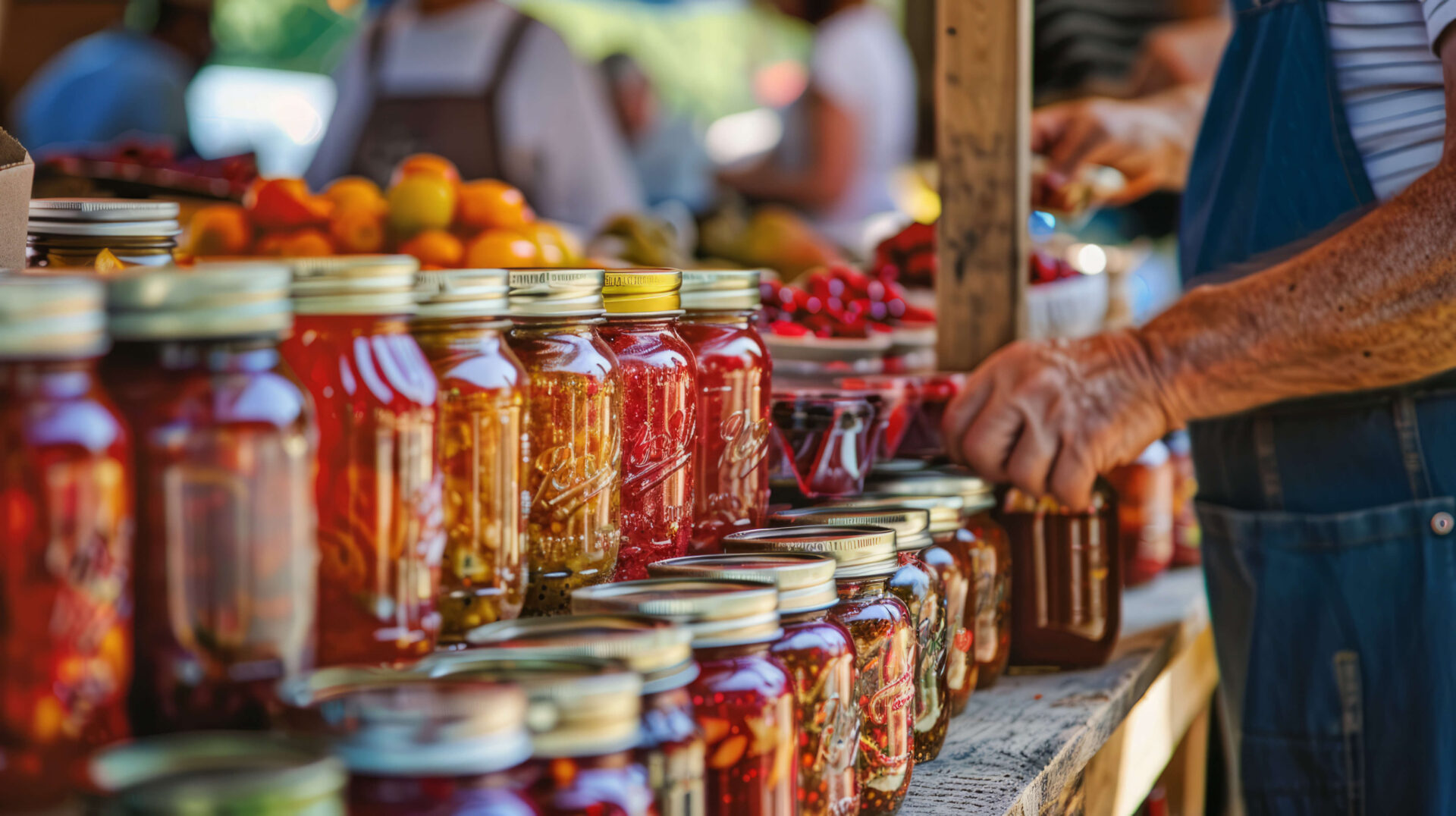
In many cases, fresh food must travel long distances before reaching store shelves—reducing availability and increasing cost. At the same time, local food production is often underutilized as a direct source of community access.
Strengthening access is not just about increasing supply—it’s about building reliable, local pathways that make fresh food easier to find, closer to home.

Why Increasing Local Food Access Matters Now
Food Access Challenges Are Increasing
Local Solutions Can Strengthen Access
Closer Access Supports Everyday Life
Stronger Systems Support Stronger Communities
How the AGRO Community Food System Strengthens Our Community
More Consistent Access to Fresh Food
Reduced Pressure from Rising Food Costs
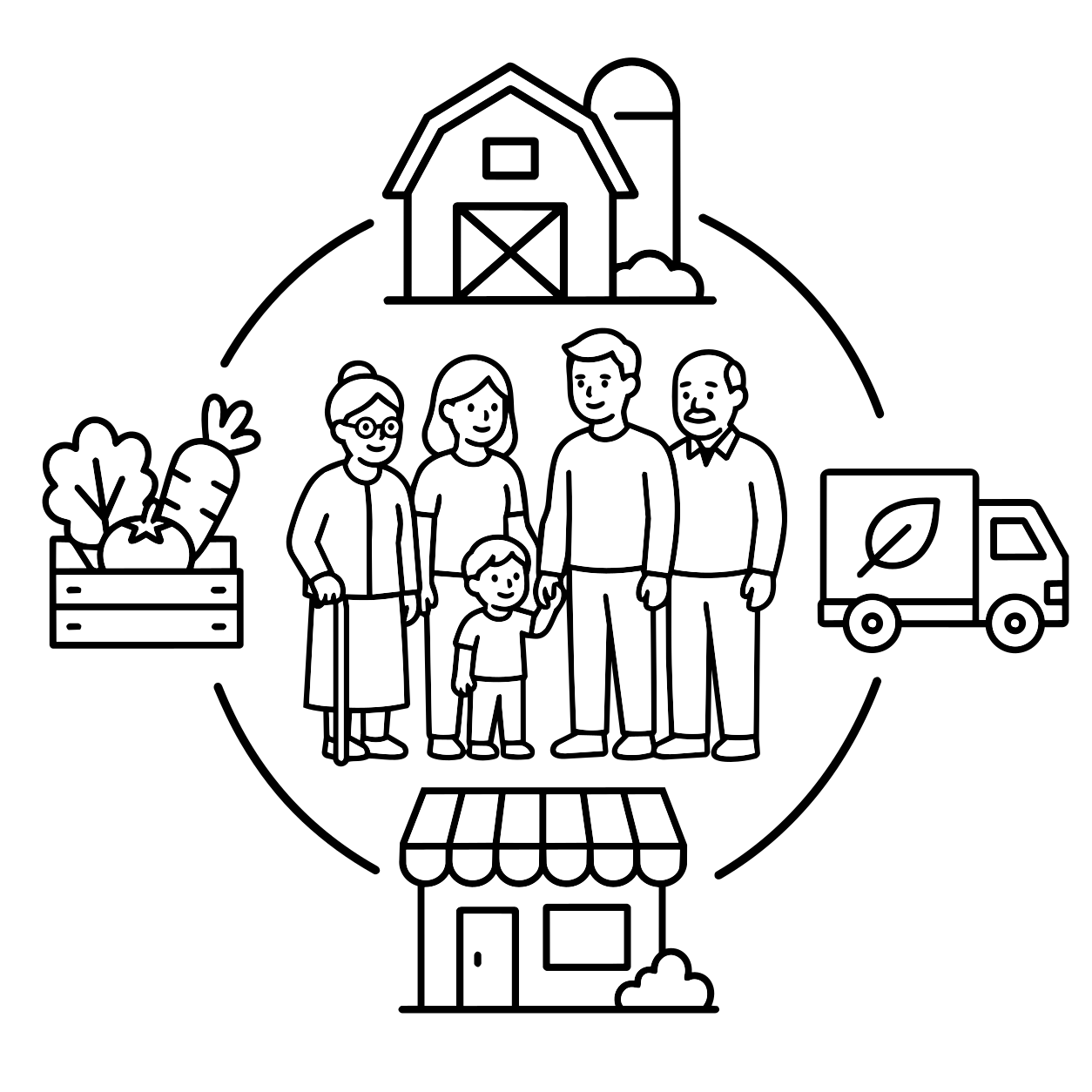
Stronger Local Food Systems
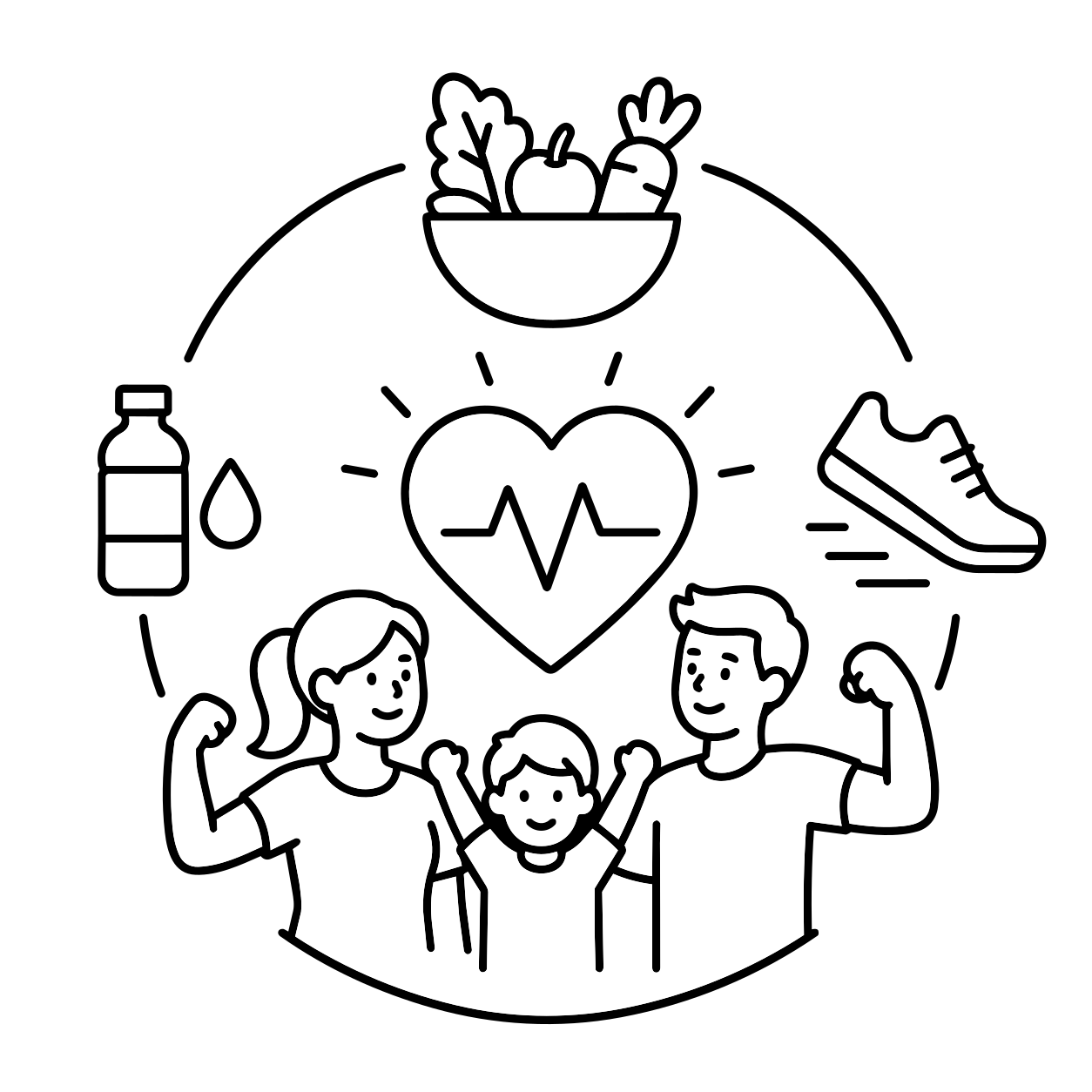
Improved Health and Well-Being
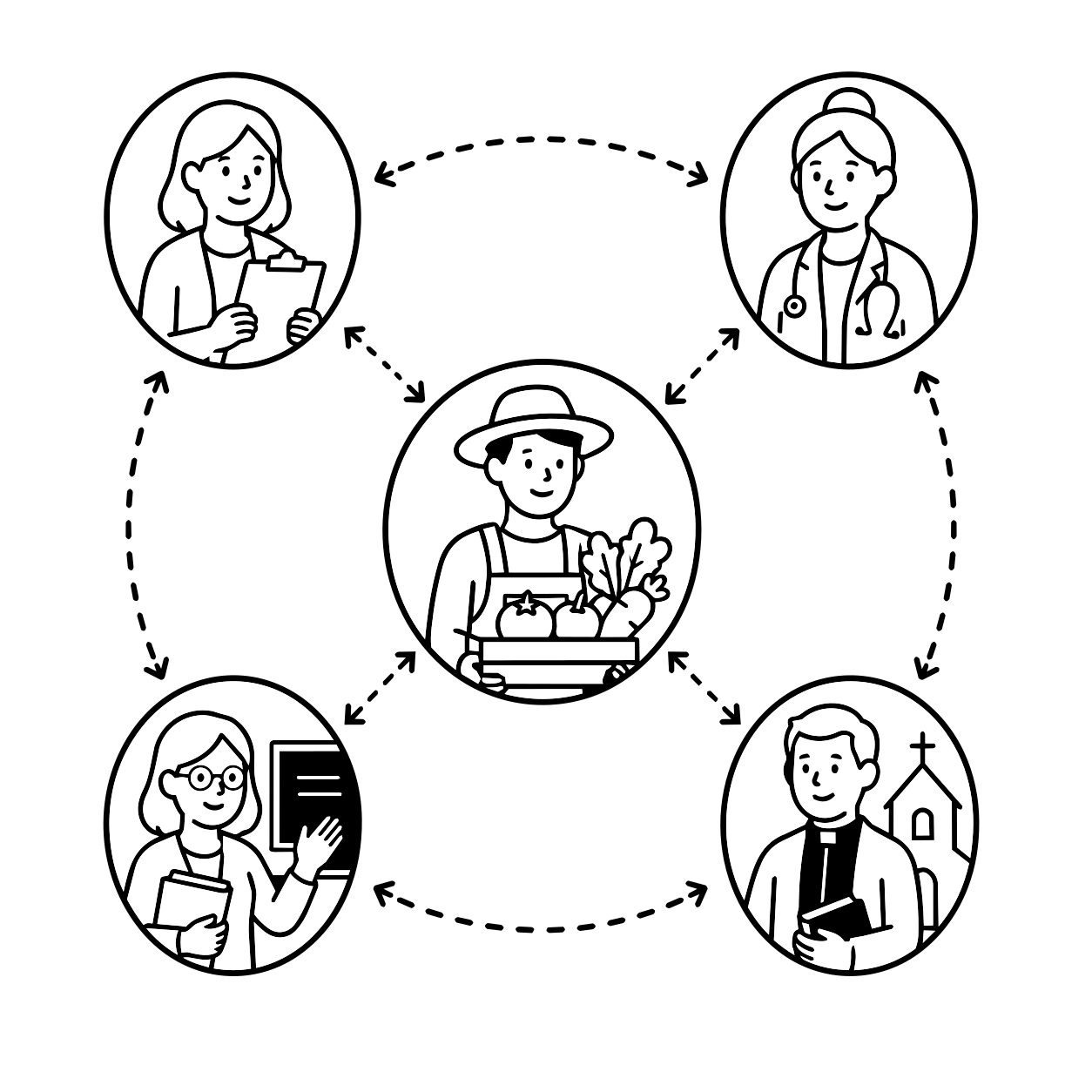
A More Connected and Responsive System
Building a Thoughtful and Sustainable Approach to Food Access

Responsible Growth in Practice
Designed for Long-Term Sustainability
The system is built to operate consistently over time, reducing reliance on temporary or reactive food programs.
Respectful, Dignified Access
Food is provided through community-based locations designed to create a welcoming, stigma-free experience for all residents.
Locally Rooted Food Production
Prioritizing local growing helps strengthen regional agriculture while ensuring food is fresh and relevant to community needs.
Guided by Community Needs
Decisions about food types, distribution, and locations are informed by local data and ongoing community input.
Coordinated, Not Duplicated
AGRO works alongside existing organizations to strengthen what already exists—avoiding duplication and improving overall system efficiency.
Connecting Local Food to Local Communities
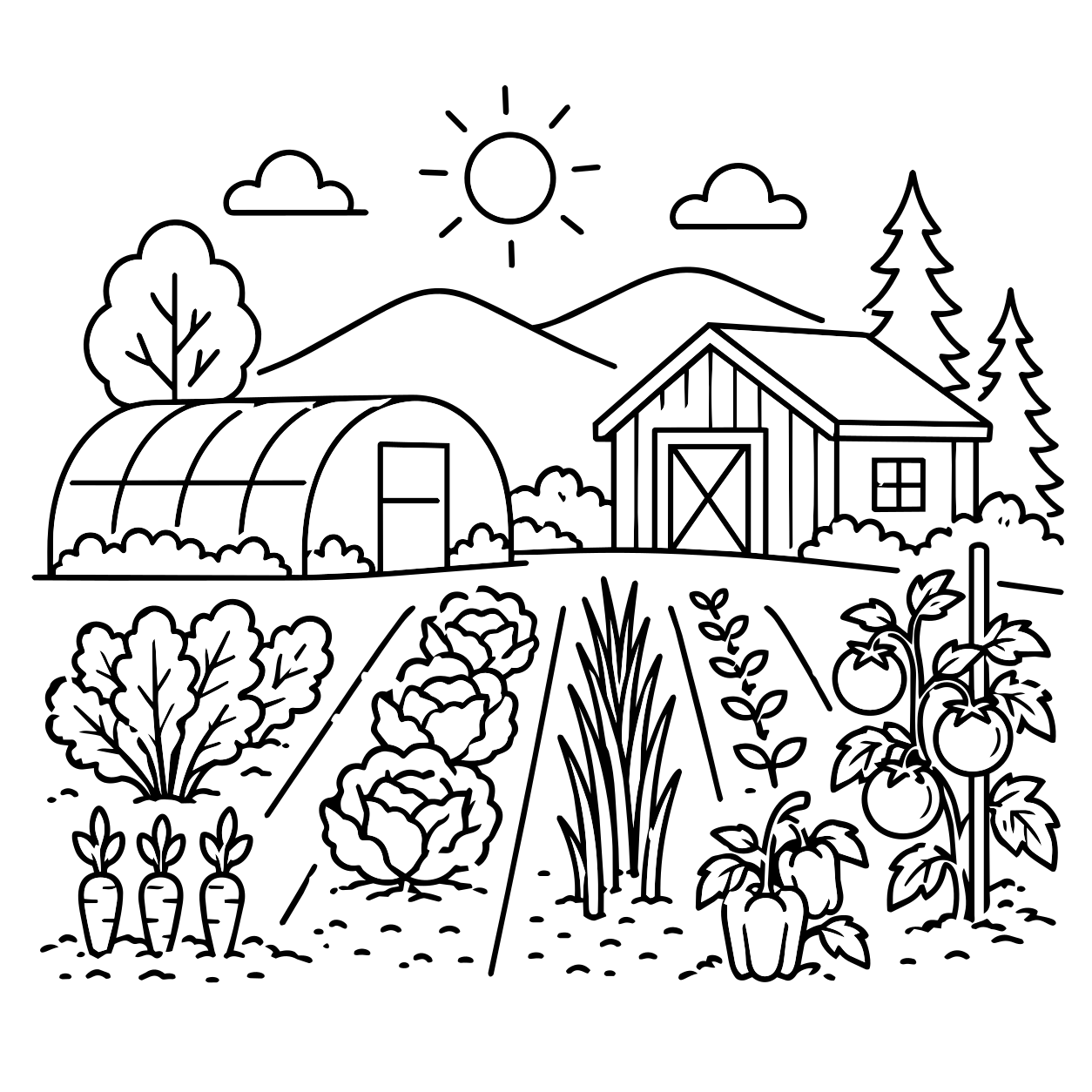
Grow Fresh Food Locally
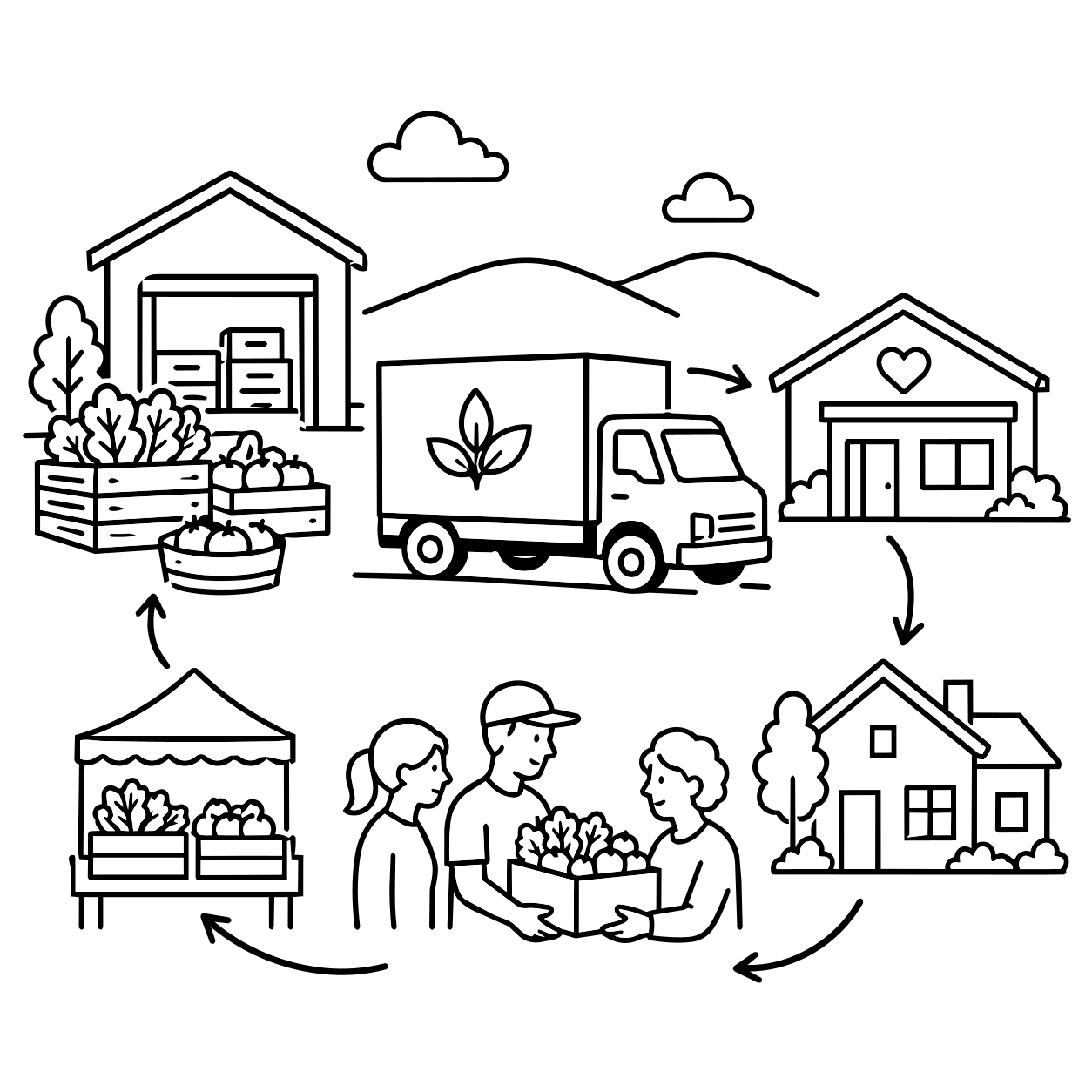
Coordinate Distribution Across Communities
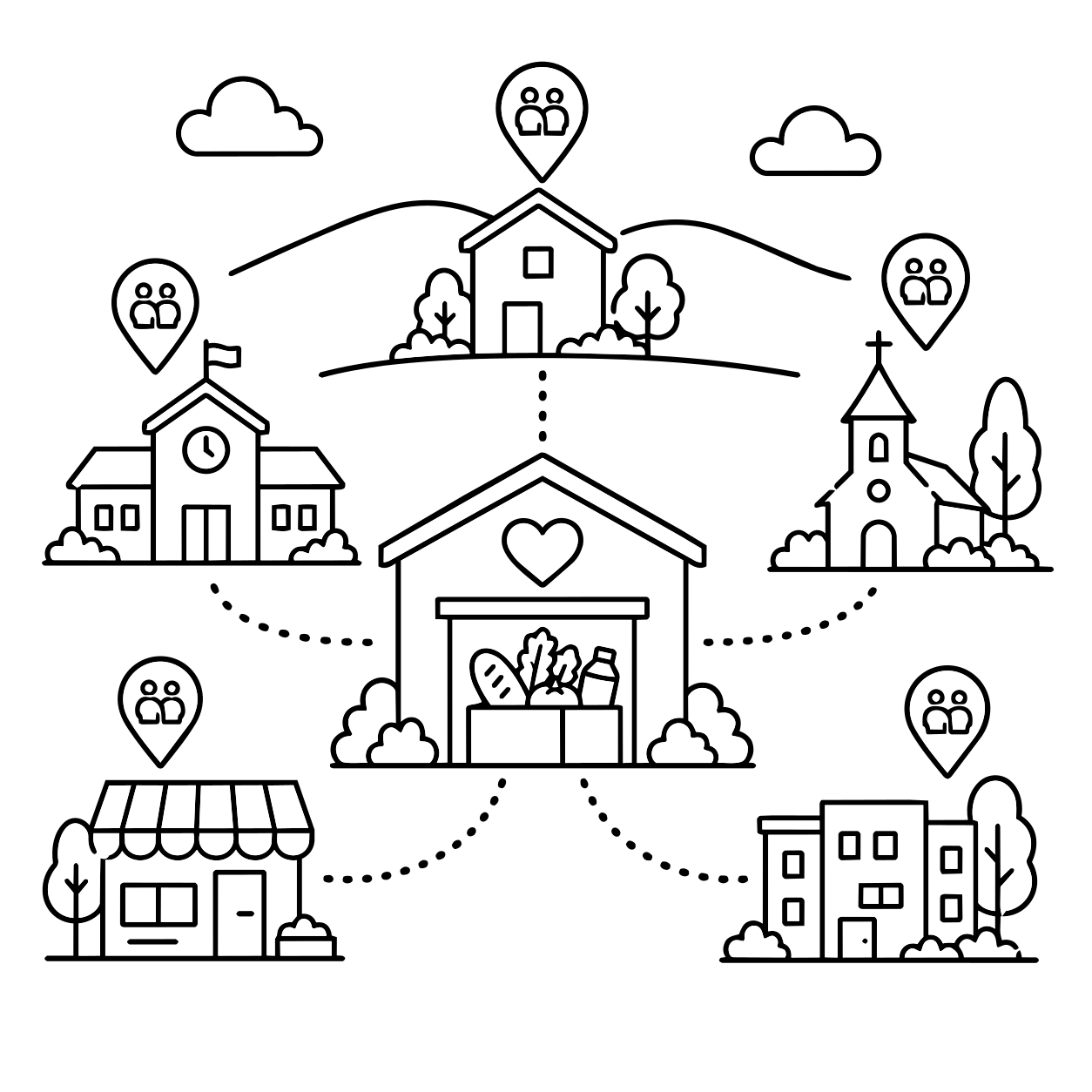
Provide Access Through Local Locations
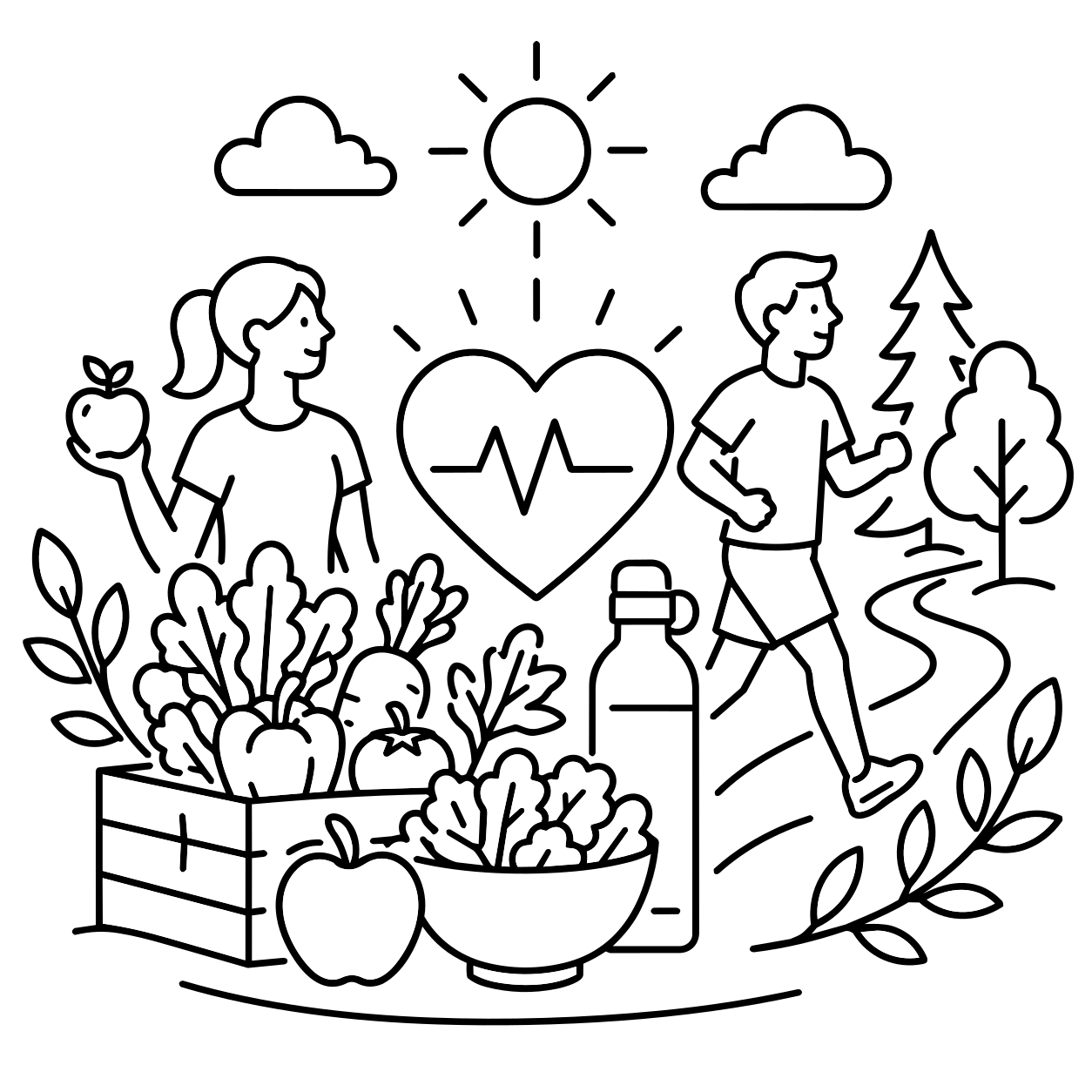
Support Ongoing Access to Healthy Food
Building a Stronger Local Food System
Project Phases
Phase 1—Establish Local Growing Capacity
Develop and expand local growing operations to produce fresh fruits and vegetables, ensuring a consistent and scalable supply of food within the region.
Phase 2—Build Distribution & Community Partnerships
Create a coordinated distribution network and partner with local organizations to deliver food efficiently to accessible, community-based locations.
Phase 3—Expand Access Across Communities
Increase the number of access points and refine operations to ensure residents can reliably access fresh food as part of their everyday routines.

Early Success and Next Steps
Community Readiness
Building a local food system that improves access to fresh, healthy food requires strong community support and collaboration with local growers, community organizations, and regional partners who believe in strengthening food access through sustainable, local solutions.
When residents express support for AGRO, it helps demonstrate that the community is ready to invest in a more reliable and locally connected food system.
Progress to Date
Acquired land for a test farm to research and evaluate crop varieties
Obtained seeds for crop varieties that will be evaluated and tested
Next Step
Seek funding to expand research and development efforts
Support a Stronger, Healthier Food System in Our Community
Show Your Support for Local Food Access
Adding your name to the Community Support Registry helps demonstrate that the community values improving access to fresh, healthy food through local, sustainable solutions that benefit residents over time.
Stay Informed About the AGRO Initiative
Sign up to receive updates as AGRO expands local growing, distribution, and access points. Be among the first to learn about progress, milestones, and opportunities to engage with the initiative.
Get in Touch About the AGRO Initiative
Common Questions About the AGRO Community Food System
Who can access food through the AGRO system?
AGRO is designed to support residents within the community, including working families, seniors, and individuals who may benefit from more consistent access to fresh, healthy food.
Where will food be available in the community?
Food will be available through local, community-based locations such as pantry sites and partner organizations that are accessible and familiar to residents.
Is there a cost to access food through AGRO?
Access to food through AGRO is designed to be affordable and accessible. Specific details may vary by location, but the goal is to reduce barriers to fresh food—not create new ones.
What types of food will be available?
AGRO focuses on providing fresh fruits and vegetables grown within the region, along with other nutritious food options based on community needs and availability.
How often will food be available?
The system is designed to provide food on a consistent, ongoing basis, allowing residents to access fresh food regularly rather than relying on occasional or one-time availability.
How does the system connect local farms to the community?
AGRO works with local growers to produce fresh food within the region, then coordinates transportation and distribution so that food moves efficiently from farms to community access points.
How are food distribution locations selected?
Locations are chosen based on accessibility, community needs, and existing infrastructure—such as trusted local organizations or pantry sites that residents already know and use.
How does AGRO ensure consistent food availability?
By combining local production with coordinated distribution and planning, AGRO is designed to provide a steady supply of food rather than relying on irregular or one-time deliveries.
How does AGRO work with existing food programs or organizations?
AGRO partners with local organizations to strengthen and support existing efforts—helping improve coordination, expand access, and reduce duplication across the community.
How does AGRO support local agriculture?
By sourcing food from within the region, AGRO helps create consistent demand for local growers—supporting regional agriculture while keeping food production closely connected to community needs.
How will the system adapt to different community needs over time?
AGRO is designed to be flexible. Ongoing feedback, local data, and community partnerships help ensure the system evolves to reflect changing needs, preferences, and access patterns over time.
How is the AGRO initiative funded and sustained?
AGRO is supported through a combination of state and federal funding sources, public-private partnerships, and careful long-term planning to ensure the system can operate reliably and continue serving communities over time.